


If you’re like me and love discovering vibrant flavors, you’re going to adore these Asian family dinner recipes. Picture the creamy, aromatic Thai Green Curry with Chicken or the comforting warmth of Vietnamese Pho gracing your dinner table. Each dish bursts with cultural richness through its ingredients and spices. I’m thrilled to share these 13 mouthwatering recipes with you. Each one promises a unique culinary adventure you won’t want to miss.
Thai Green Curry With Chicken
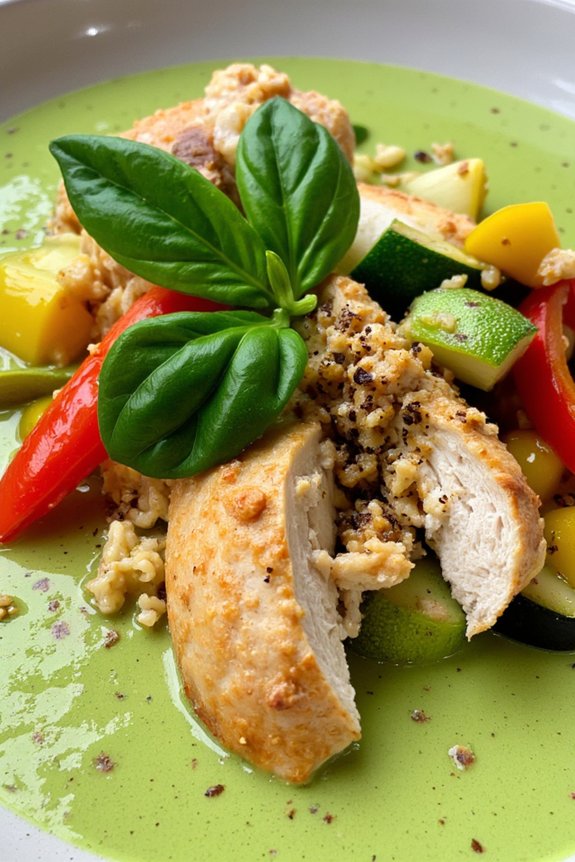
Thai Green Curry With Chicken is a delicious and aromatic dish that combines the rich flavors of coconut milk, fresh herbs, and succulent chicken. This classic Thai meal is a staple in many households and is known for its vibrant green color and creamy texture. The curry paste, made with a blend of green chilies, garlic, lemongrass, and other aromatic ingredients, imparts a fragrant and slightly spicy flavor that perfectly complements the tender chicken and fresh vegetables.
Preparing Thai Green Curry With Chicken is a delightful culinary experience, and the final dish is sure to impress family and friends at any dinner gathering. This recipe provides a serving size suitable for 4-6 people, making it perfect for family meals or small dinner parties. The harmonious balance of flavors in the curry is both comforting and exotic, making it a favorite among those who enjoy Southeast Asian cuisine.
Ingredients (Serves 4-6):
- 1 tablespoon vegetable oil
- 2 tablespoons Thai green curry paste
- 1 pound boneless, skinless chicken breast, thinly sliced
- 1 can (13.5 ounces) coconut milk
- 1 cup chicken broth
- 2 tablespoons fish sauce
- 1 tablespoon brown sugar
- 2 cups mixed vegetables (such as bell peppers, zucchini, and eggplant), sliced
- 5-6 kaffir lime leaves, torn
- 1/4 cup Thai basil leaves
- 1 tablespoon lime juice
- Cooked jasmine rice, for serving
Cooking Instructions:
- Heat Oil and Curry Paste: In a large pot or wok, heat the vegetable oil over medium heat. Add the Thai green curry paste and cook for about 1-2 minutes, stirring constantly, until fragrant. This step helps to release the essential oils and flavors from the curry paste.
- Cook the Chicken: Add the sliced chicken breast to the pot and stir to coat the chicken with the curry paste. Cook for 3-4 minutes, or until the chicken is no longer pink on the outside.
- Add Coconut Milk and Broth: Pour in the coconut milk and chicken broth. Stir well to combine and bring the mixture to a gentle simmer. This creates the rich, creamy base of the curry.
- Season the Curry: Add fish sauce, brown sugar, and kaffir lime leaves to the pot. Stir to incorporate these ingredients, ensuring a balanced savory and slightly sweet flavor.
- Add Vegetables: Add the mixed vegetables to the pot and stir well. Simmer for 5-7 minutes, or until the vegetables are tender yet still crisp.
- Finish with Basil and Lime: Remove the pot from heat and stir in the Thai basil leaves and lime juice. These ingredients add freshness and a hint of acidity to the curry.
- Serve: Serve the Thai Green Curry With Chicken over a bed of cooked jasmine rice, garnishing with additional basil leaves if desired.
Extra Tips: To enhance the dish’s flavor, you can make your own green curry paste using fresh ingredients, which allows you to control the level of heat and aromatics. If you prefer a milder curry, reduce the amount of curry paste or use a less spicy variety.
For a vegetarian option, substitute the chicken with tofu or additional vegetables. Always taste the curry before serving and adjust the seasoning with more fish sauce, lime juice, or sugar as needed to suit your taste preferences.
Japanese Tonkotsu Ramen
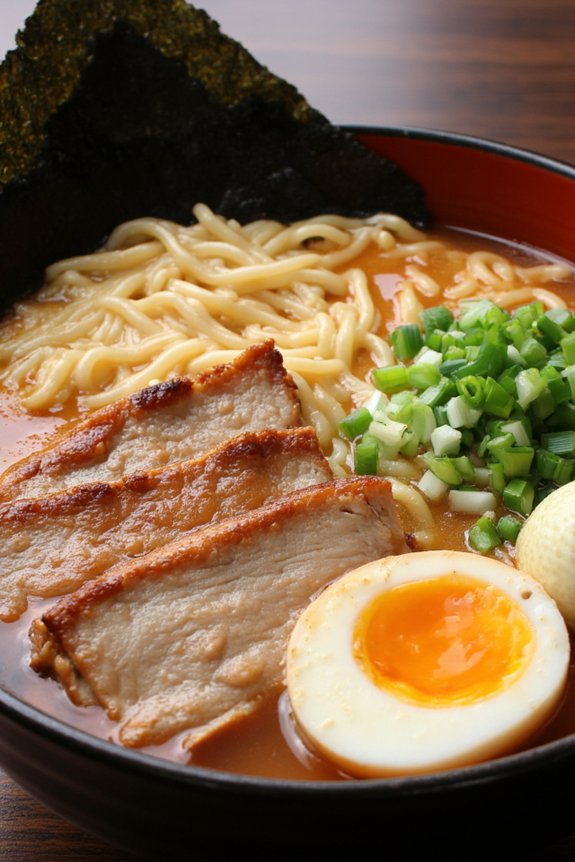
Tonkotsu Ramen is a beloved Japanese dish known for its rich, creamy pork bone broth, tender slices of pork, and perfectly cooked noodles. It hails from the Fukuoka region on the island of Kyushu, Japan, and has become a popular comfort food around the world. The secret to the depth of flavor in this ramen lies in the preparation of the broth, which is simmered for several hours to extract the marrow and essence from pork bones. The result is a silky, umami-rich soup that pairs beautifully with the toppings of chashu pork, fresh green onions, and a soft-boiled egg.
Preparing Tonkotsu Ramen at home is a rewarding culinary experience that brings the authentic taste of Japan to your dining table. While it does require time, the steps are straightforward and can be mastered by home cooks of all levels. The key is patience, as the broth needs to simmer gently to develop its signature flavor. Once you’ve tasted homemade Tonkotsu Ramen, you’ll understand why this dish has captured the hearts and palates of ramen enthusiasts worldwide.
Ingredients for 4-6 servings:
- 4 lbs pork bones (preferably neck and leg bones)
- 1 lb pork belly
- 6 cloves garlic
- 1 large onion
- 1 piece ginger (about 2 inches)
- 2 tbsp vegetable oil
- 1 cup soy sauce
- 1/2 cup sake
- 1/4 cup mirin
- 2 tbsp sugar
- 6 cups water
- 1 pack fresh ramen noodles
- 4 soft-boiled eggs
- 1 bunch green onions
- 1 sheet nori (seaweed)
- Salt and pepper to taste
Cooking Instructions:
- Prepare the Broth:
- Begin by blanching the pork bones. In a large pot, cover the bones with water, bring to a boil, and let it boil for 10 minutes. Drain and rinse the bones under cold water to remove impurities. This step guarantees a clear broth.
- Simmer the Broth:
- In a clean pot, add the rinsed bones, 6 cups of water, garlic, onion, and ginger. Bring to a boil, then reduce to a simmer. Let it simmer uncovered for 6-8 hours, adding water as necessary to keep the bones submerged. Skim off any scum that forms on the surface.
- Prepare the Chashu Pork:
- While the broth is simmering, season the pork belly with salt and pepper. In a separate pot, heat the vegetable oil over medium heat and sear the pork belly until browned on all sides. Add soy sauce, sake, mirin, and sugar. Cover and simmer for about 1.5 hours, turning occasionally until the pork is tender and the sauce is reduced.
- Cook the Noodles:
- Cook the ramen noodles according to package instructions. Drain and set aside.
- Assemble the Ramen:
- Once the broth is ready, strain it to remove the solids, leaving only the liquid. Season the broth with salt and pepper to taste. Slice the chashu pork into thin pieces.
- Serve:
- In each serving bowl, add a portion of noodles, pour the hot broth over the noodles, and top with slices of chashu pork, a halved soft-boiled egg, chopped green onions, and a piece of nori.
Extra Tips:
For the best results, try to use the freshest ingredients you can find, particularly the noodles. Fresh ramen noodles have a superior texture compared to dried ones.
When making the broth, patience is key—do not rush the simmering process, as the long cooking time is essential to achieve the rich, creamy texture characteristic of a good Tonkotsu broth.
Additionally, when preparing the chashu pork, verify it’s cooked to a point where it almost melts in your mouth for an authentic experience.
If possible, prepare the broth a day ahead to allow the flavors to meld and the fat to rise to the top for easy removal. Enjoy your homemade Japanese Tonkotsu Ramen!
Korean Bulgogi Beef
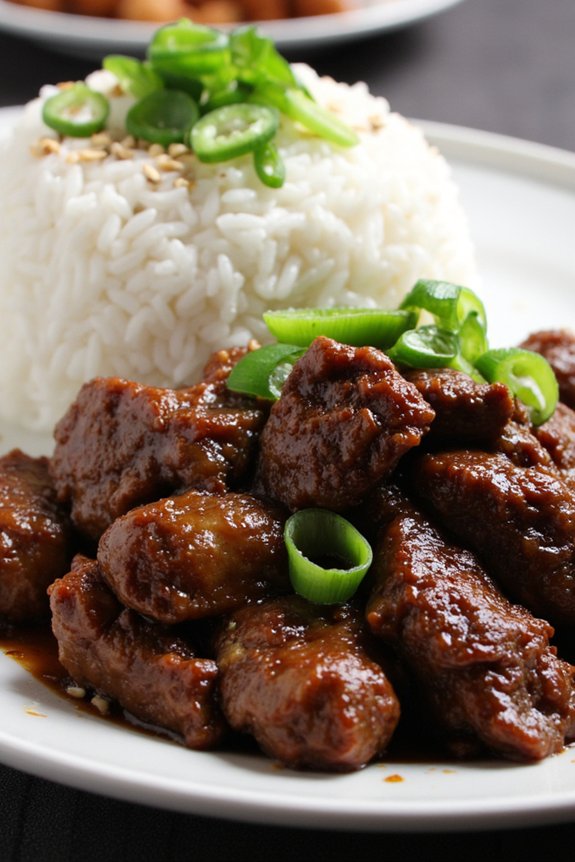
Korean Bulgogi Beef is a classic Korean dish that’s beloved for its savory, slightly sweet, and umami-rich flavor. Traditionally, bulgogi is made with thinly sliced beef marinated in a mixture of soy sauce, sugar, sesame oil, garlic, and other seasonings. This marinade not only tenderizes the meat but also infuses it with a deliciously complex flavor profile. The dish is typically grilled or pan-fried to create a beautifully caramelized exterior while keeping the meat juicy and tender on the inside.
When served, Korean Bulgogi Beef is often accompanied by a variety of side dishes, known as banchan, as well as steamed rice. The combination of flavors and textures makes it a satisfying meal for the whole family. This recipe is designed to serve 4-6 people, making it perfect for a family dinner or a small gathering with friends. Enjoy the rich, authentic taste of Korean cuisine in the comfort of your own home with this easy-to-follow recipe.
Ingredients for 4-6 servings:
- 1 1/2 pounds of rib-eye steak, thinly sliced
- 1/2 cup soy sauce
- 1/4 cup brown sugar
- 2 tablespoons sesame oil
- 4 cloves garlic, minced
- 1 tablespoon ginger, grated
- 1 medium onion, thinly sliced
- 3 green onions, chopped
- 1 tablespoon sesame seeds
- 1/4 teaspoon black pepper
- 1/2 teaspoon red pepper flakes (optional)
- Cooking oil for grilling or pan-frying
Cooking Instructions:
- Prepare the Marinade: In a large mixing bowl, combine the soy sauce, brown sugar, sesame oil, minced garlic, grated ginger, and black pepper. Stir until the sugar is dissolved and the ingredients are well integrated.
- Marinate the Beef: Place the thinly sliced rib-eye steak in the marinade, making certain each piece is well coated. Add the sliced onion and chopped green onions to the bowl, mixing gently. Cover the bowl with plastic wrap and refrigerate for at least 1 hour, preferably overnight, to allow the flavors to fully penetrate the meat.
- Heat the Grill or Pan: Preheat a grill or a large skillet over medium-high heat. Add a small amount of cooking oil to the skillet if pan-frying.
- Cook the Beef: Remove the beef from the marinade, allowing excess liquid to drip off. Cook the beef in batches, turning occasionally, until it’s browned and caramelized on the outside, approximately 2-3 minutes per side. Make sure that the beef is cooked through but not overdone to maintain tenderness.
- Serve: Once cooked, transfer the beef to a serving platter. Sprinkle with sesame seeds and additional chopped green onions if desired. Serve hot with steamed rice and your choice of Korean side dishes.
Extra Tips:
For the best results, use rib-eye steak or another tender cut of beef that can be sliced thinly. Partially freezing the meat before slicing can make it easier to achieve thin, uniform slices.
If you prefer a bit of spice, feel free to add red pepper flakes to the marinade or as a garnish. When cooking the beef, avoid overcrowding the pan or grill to guarantee even cooking and proper caramelization.
Finally, remember that the longer you marinate the beef, the more flavorful it will be, so consider preparing it the night before for a truly authentic taste.
Chinese Kung Pao Chicken
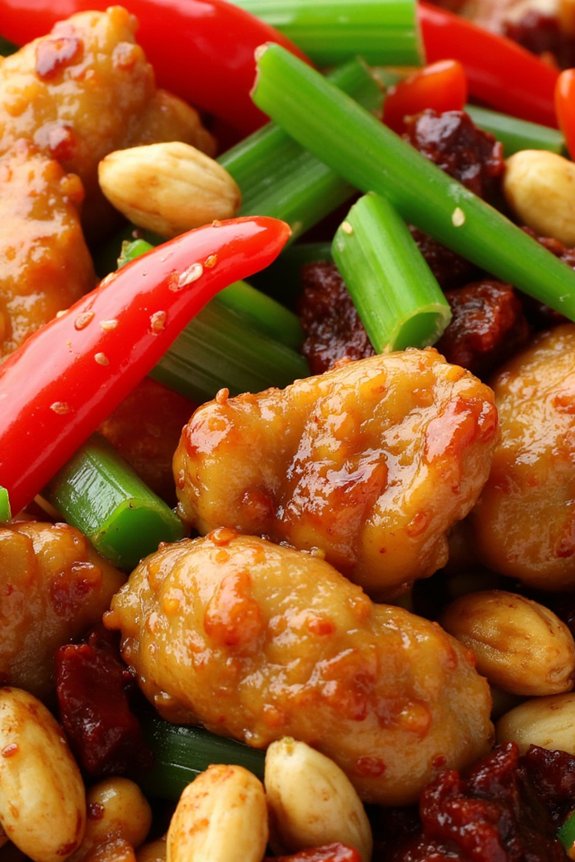
Chinese Kung Pao Chicken is a classic dish that hails from the Sichuan province of China, known for its bold flavors and delightful combination of savory, sweet, and spicy elements. This stir-fry dish features tender pieces of chicken, crunchy peanuts, and vibrant vegetables, all coated in a rich and flavorful sauce.
Kung Pao Chicken isn’t only a staple in Chinese cuisine but also a favorite among those who enjoy Asian-inspired dinners at home. It’s an excellent choice for a family meal, offering a satisfying and delicious experience that captures the essence of Chinese cooking.
Preparing Kung Pao Chicken at home allows you to control the heat level, adjust the sweetness, and experiment with different types of vegetables to suit your family’s tastes. This recipe serves 4-6 people, making it perfect for a family dinner or a small gathering.
The key to a successful Kung Pao Chicken lies in the balance of flavors and the quick stir-fry technique that guarantees the chicken remains juicy and the vegetables retain their crispness. Below, you’ll find an all-encompassing list of ingredients and detailed instructions to guide you in creating this delectable dish.
Ingredients (for 4-6 servings):
- 1 ½ pounds boneless, skinless chicken breasts, diced
- 2 tablespoons soy sauce
- 1 tablespoon rice vinegar
- 1 tablespoon cornstarch
- 3 tablespoons vegetable oil, divided
- ½ cup unsalted peanuts
- 8-10 dried red chilies
- 3 cloves garlic, minced
- 1 inch ginger, minced
- 1 red bell pepper, diced
- 1 green bell pepper, diced
- 4 green onions, chopped
- 3 tablespoons soy sauce (for sauce)
- 1 tablespoon hoisin sauce
- 1 tablespoon sesame oil
- 1 tablespoon sugar
- 2 teaspoons cornstarch mixed with 2 tablespoons water
- Salt and pepper to taste
Cooking Instructions:
- Marinate the Chicken: In a bowl, combine the diced chicken with 2 tablespoons of soy sauce, rice vinegar, and 1 tablespoon of cornstarch. Mix well to coat the chicken evenly. Let it marinate for at least 15 minutes to allow the flavors to penetrate the meat.
- Prepare the Sauce: In a separate small bowl, mix together 3 tablespoons of soy sauce, hoisin sauce, sesame oil, and sugar. Stir until the sugar dissolves completely. Set this sauce aside for later use.
- Toast the Peanuts: Heat 1 tablespoon of vegetable oil in a large wok or skillet over medium heat. Add the peanuts and toast them until they’re golden brown and fragrant. Remove the peanuts from the wok and set them aside.
- Fry the Chilies: In the same wok, add the dried red chilies. Stir-fry them briefly until they darken slightly. Be careful not to burn them. Remove the chilies and set them aside with the peanuts.
- Cook the Chicken: Increase the heat to high and add another tablespoon of vegetable oil to the wok. Add the marinated chicken pieces and stir-fry them until they’re cooked through and golden brown. Remove the chicken from the wok and set it aside.
- Stir-fry the Vegetables: In the same wok, add the remaining tablespoon of vegetable oil. Add the minced garlic and ginger, and stir-fry for about 30 seconds until fragrant. Then, add the diced bell peppers and stir-fry for 2-3 minutes until they’re slightly tender but still crisp.
- Combine Everything: Return the cooked chicken, toasted peanuts, fried chilies, and sauce mixture to the wok. Stir everything together to combine well. Pour the cornstarch-water mixture into the wok and stir continuously until the sauce thickens and coats all the ingredients evenly.
- Finish with Green Onions: Add the chopped green onions, stir briefly, and season with salt and pepper to taste. Remove the wok from heat.
Extra Tips:
For an authentic touch, you can include Sichuan peppercorns, which will add a unique numbing flavor characteristic of Sichuan cuisine. Adjust the number of dried chilies to control the spiciness of the dish.
Make sure all your ingredients are prepped and ready before you start cooking, as stir-frying is a quick process that requires constant attention. Serve your Kung Pao Chicken immediately with steamed jasmine rice for a complete meal that your family will love.
Vietnamese Pho Soup
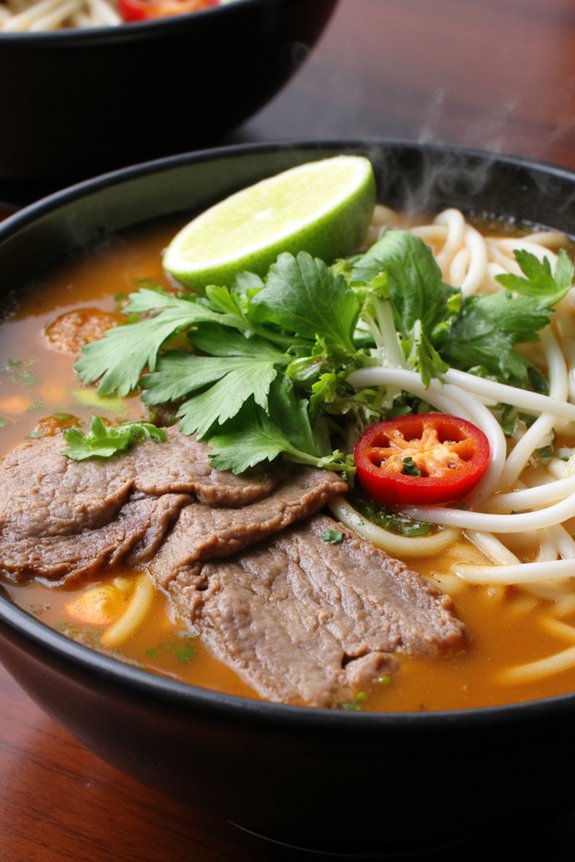
Vietnamese Pho Soup is a comforting and aromatic dish that has become a staple in Vietnamese cuisine. This delicious noodle soup is known for its rich and flavorful broth, typically made with beef bones, aromatic spices, and herbs. The broth is carefully simmered to extract deep flavors, which are then complemented by the addition of rice noodles, tender slices of beef, and a variety of fresh garnishes such as bean sprouts, basil, cilantro, lime, and chili peppers.
Whether enjoyed as a breakfast staple in Vietnam or as a hearty dinner, Pho Soup is a delightful and satisfying meal that warms both the body and soul.
Creating your own Vietnamese Pho Soup at home is a rewarding culinary adventure. Although it requires some time and patience to develop the broth’s full depth of flavor, the result is well worth the effort. This recipe will guide you through the process of making authentic Pho Soup, providing you with all the necessary ingredients and steps to prepare this classic dish for a serving size of 4-6 people.
Let’s get started on this journey to bring a taste of Vietnam into your home kitchen.
Ingredients (serves 4-6):
- 2 pounds beef bones (marrow or knuckle bones)
- 1 pound beef brisket or chuck roast
- 1 large onion, halved
- 1 piece of ginger (about 3 inches), sliced
- 5 star anise
- 4 cloves
- 2 cinnamon sticks
- 1 tablespoon coriander seeds
- 1 tablespoon fennel seeds
- 1 tablespoon rock sugar or brown sugar
- 1 tablespoon salt
- 4 tablespoons fish sauce
- 1 package (14 oz) rice noodles (bánh phở)
- 1 pound beef sirloin or eye of round, thinly sliced
- Fresh bean sprouts
- Fresh basil leaves
- Fresh cilantro
- 2-3 limes, cut into wedges
- 2-3 Thai bird chilies, sliced
- Hoisin sauce (optional)
- Sriracha sauce (optional)
Cooking Instructions:
- Prepare the Broth:
- Place the beef bones and brisket in a large pot and cover with water. Bring to a boil over high heat and let it boil for 5 minutes to remove impurities. Drain and rinse the bones and brisket under cold water. Set aside.
- Char the Aromatics:
- In a dry skillet, char the onion halves and ginger slices over medium-high heat until they’re slightly blackened and fragrant, about 5-7 minutes. This step adds depth to the broth.
- Toast the Spices:
- In the same skillet, toast the star anise, cloves, cinnamon sticks, coriander seeds, and fennel seeds for about 2-3 minutes until aromatic. Be careful not to burn them.
- Simmer the Broth:
- In a large stockpot, combine the cleaned bones, brisket, charred onion and ginger, toasted spices, rock sugar, and salt. Add enough water to cover everything (about 4-5 quarts). Bring to a boil, then reduce the heat and let it simmer for about 3-4 hours. Skim off any scum that rises to the surface.
- Season the Broth:
- After simmering, remove the brisket and set it aside to cool, then thinly slice it. Strain the broth through a fine-mesh sieve into a clean pot, discarding the solids. Stir in the fish sauce and adjust seasoning to taste.
- Prepare the Noodles:
- Cook the rice noodles according to package instructions. Drain and divide among serving bowls.
- Assemble the Pho:
- Arrange the raw beef slices and sliced brisket over the cooked noodles in each bowl. Ladle the hot broth over the top, which will cook the raw beef.
- Garnish and Serve:
- Serve the Pho with fresh bean sprouts, basil, cilantro, lime wedges, and sliced chilies on the side. Encourage diners to add these to their liking. Hoisin and Sriracha sauces can be added for extra flavor.
Extra Tips:
To make the most flavorful Pho Soup, it’s important to use quality beef bones and fresh ingredients. If you’re short on time, you can prepare the broth a day in advance and let it chill overnight, which allows the flavors to meld and makes it easier to skim off any fat.
For an authentic experience, thinly slicing the raw beef against the grain ensures tenderness once cooked in the hot broth. Customize your Pho with your favorite garnishes and sauces to suit your taste preferences. Enjoy this Vietnamese classic with friends and family for a memorable meal.
Indian Butter Chicken
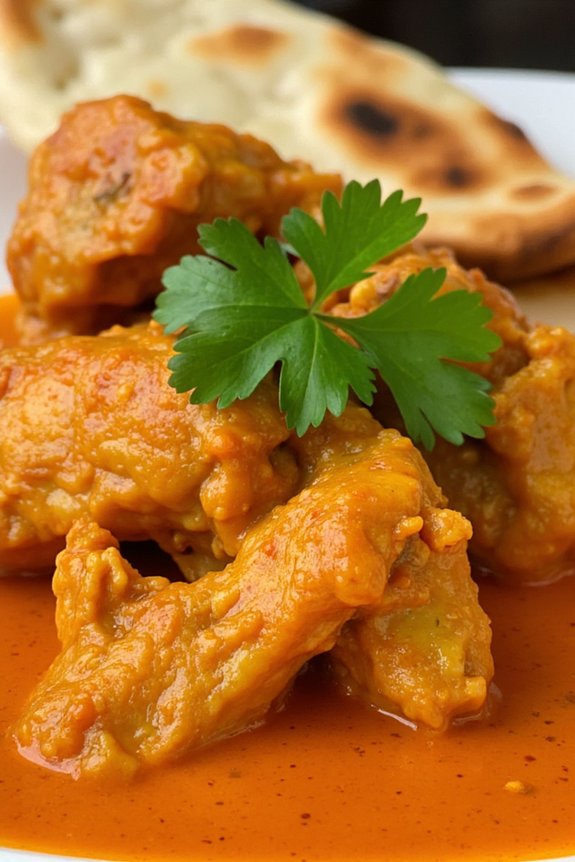
Indian Butter Chicken is a classic and beloved dish that hails from the rich culinary traditions of India. Known for its creamy and flavorful sauce, this dish combines tender pieces of chicken with a luscious blend of spices, tomatoes, and butter. It’s a perfect meal to enjoy with family, especially when served alongside warm naan bread or basmati rice. This recipe provides a harmonious balance of spices and creaminess, making it a favorite among those who love Indian cuisine.
Butter chicken, also known as Murgh Makhani, was popularized by Indian chefs in the mid-20th century and has since become a staple in Indian restaurants worldwide. The key to its deliciousness lies in the marination of the chicken and the slow-cooked sauce that melds together aromatic spices with the richness of butter and cream. With this recipe, you can recreate the authentic taste of Indian Butter Chicken at home, perfect for a family dinner serving 4-6 people.
Ingredients:
- 1 ½ pounds boneless chicken thighs, cut into bite-sized pieces
- 1 cup plain yogurt
- 2 tablespoons lemon juice
- 2 tablespoons garam masala
- 1 tablespoon turmeric
- 2 teaspoons ground cumin
- 2 teaspoons ground coriander
- 1 teaspoon chili powder
- 5 tablespoons butter, divided
- 1 large onion, finely chopped
- 3 cloves garlic, minced
- 1 tablespoon grated fresh ginger
- 1 ½ cups tomato puree
- 1 cup heavy cream
- Salt to taste
- Fresh cilantro, for garnish
Instructions:
- Marinate the Chicken: In a large bowl, combine the yogurt, lemon juice, 1 tablespoon of garam masala, turmeric, cumin, coriander, and chili powder. Add the chicken pieces to the marinade, guaranteeing they’re fully coated. Cover and refrigerate for at least 1 hour, or overnight for best results, to allow the flavors to penetrate the meat.
- Cook the Chicken: Heat 2 tablespoons of butter in a large skillet over medium heat. Add the marinated chicken pieces and cook until they’re browned on all sides. Remove the chicken from the skillet and set aside.
- Prepare the Sauce: In the same skillet, add the remaining butter. Sauté the onions until they’re soft and translucent. Add the garlic and ginger, cooking for another 2 minutes until fragrant.
- Combine with Tomato Puree: Stir in the tomato puree, remaining garam masala, and a pinch of salt. Let it simmer for about 10 minutes, allowing the sauce to thicken slightly.
- Finish the Dish: Return the cooked chicken to the skillet, stirring to coat the pieces in the sauce. Pour in the heavy cream, mixing well to combine. Simmer on low heat for another 15-20 minutes, until the chicken is tender and the sauce has a rich, creamy consistency.
- Serve: Garnish with fresh cilantro before serving. Enjoy with steamed basmati rice or naan bread to soak up the flavorful sauce.
Extra Tips:
When preparing Indian Butter Chicken, it’s important to use fresh spices for the best flavor. Whole spices ground at home can elevate the dish considerably.
If you prefer a spicier version, adjust the chili powder to suit your taste. For a richer sauce, you can substitute some of the butter with ghee, which adds a deeper flavor.
Make sure not to rush the simmering process, as this is key to developing the deep, complex flavors characteristic of this dish.
Malaysian Nasi Lemak
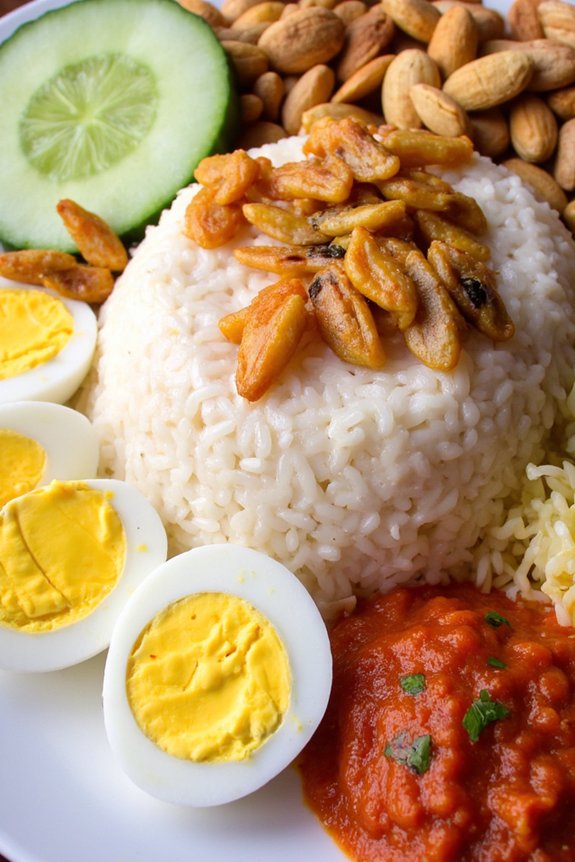
Nasi Lemak is a quintessential Malaysian dish that’s beloved for its rich and aromatic flavors. Traditionally served as a breakfast dish, it has since become a popular meal enjoyed at any time of the day. The name “Nasi Lemak” translates to “rich rice,” which refers to the creamy, fragrant rice cooked in coconut milk. This dish is typically accompanied by a variety of sides such as sambal (a spicy chili paste), fried anchovies, peanuts, boiled eggs, and cucumber slices. Some variations also include a protein such as fried chicken or beef rendang, making it a hearty and satisfying meal.
Preparing Malaysian Nasi Lemak is an experience that brings together a symphony of flavors and textures. The combination of creamy coconut rice, spicy sambal, crunchy peanuts, and crispy anchovies creates a delightful balance that’s both comforting and exciting.
While the dish may seem complex due to its multiple components, it’s relatively simple to prepare at home with a bit of planning. Follow this recipe to create an authentic Malaysian Nasi Lemak that serves 4-6 people, perfect for a family dinner or a gathering with friends.
Ingredients:
- 2 cups jasmine rice
- 2 cups coconut milk
- 1 cup water
- 2 pandan leaves, knotted
- 1 teaspoon salt
- 1 tablespoon vegetable oil
- 1 cup dried anchovies
- 1 cup unsalted roasted peanuts
- 4 large eggs
- 1 cucumber, sliced
- 2 cups sambal (store-bought or homemade)
- Optional: fried chicken or beef rendang for serving
Cooking Instructions:
- Prepare the Rice:
- Rinse the jasmine rice under cold water until the water runs clear. This helps to remove excess starch and prevent the rice from becoming too sticky.
- In a rice cooker, combine the rinsed rice, coconut milk, water, pandan leaves, and salt. Cook according to the rice cooker’s instructions until the rice is fully cooked and fragrant.
- Fry the Anchovies:
- Heat vegetable oil in a skillet over medium heat. Once hot, add the dried anchovies and fry them until they’re crispy and golden brown. Remove and drain them on paper towels.
- Roast the Peanuts:
- In the same skillet, add the unsalted roasted peanuts and stir-fry them for a few minutes until they’re warm and slightly crisp. Set them aside to cool.
- Boil the Eggs:
- In a saucepan, boil water and gently add the eggs. Cook for about 8-10 minutes for hard-boiled eggs. Once cooked, transfer the eggs to a bowl of cold water to cool. Peel and slice them in halves.
- Assemble the Nasi Lemak:
- On a large plate, scoop a portion of the coconut rice in the center. Arrange the fried anchovies, roasted peanuts, cucumber slices, and boiled egg halves around the rice. Serve with a generous spoonful of sambal on the side.
- Optional Protein:
- If desired, add fried chicken or beef rendang to the plate for additional flavor and substance.
Extra Tips:
When cooking Nasi Lemak, using fresh coconut milk will enhance the flavor of the rice considerably, making it more aromatic and rich. If fresh coconut milk isn’t available, canned coconut milk will suffice.
Pandan leaves add an authentic fragrance to the rice, but if they’re unavailable, you can omit them or substitute with a small piece of ginger for a different but pleasant aroma.
When making sambal at home, adjust the level of spiciness to your preference, as it can range from mild to fiery hot. Finally, consider serving Nasi Lemak with traditional sides such as pickled vegetables or a squeeze of lime for an extra burst of flavor.
Indonesian Beef Rendang
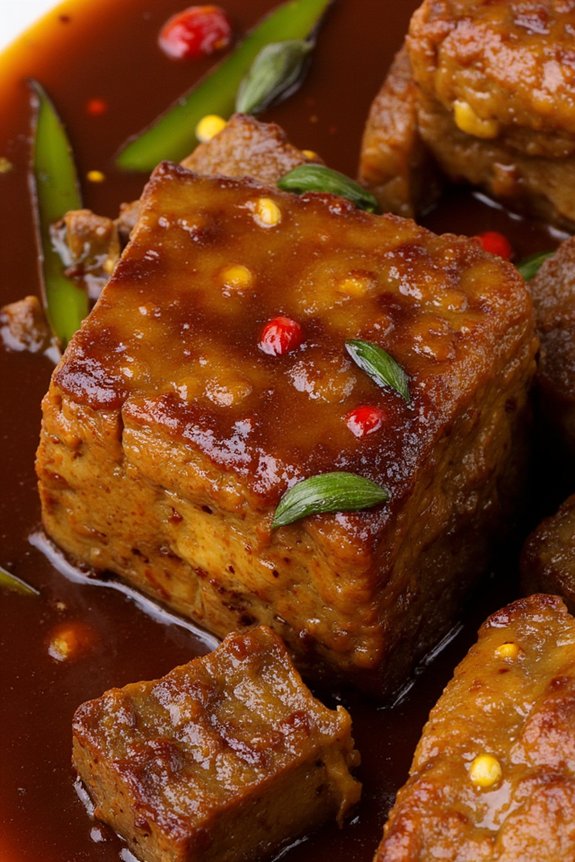
Indonesian Beef Rendang is a rich and flavorful dish that hails from the Minangkabau ethnic group of Indonesia. Revered for its deep and complex flavors, this dish is made by slow-cooking beef in a spiced coconut milk mixture until it becomes tender and fragrant. The cooking process allows the flavors to meld together, resulting in a dish that’s savory, spicy, and slightly sweet, with a hint of earthiness from the various spices used.
Perfect for a family dinner, Beef Rendang is typically served with steamed rice, making it a hearty and satisfying meal. This dish is ideal for those who enjoy experimenting with spices and flavors in their kitchen. It requires a bit of patience due to its slow-cooking nature, but the end result is well worth the wait.
The key to a successful rendang is to use fresh ingredients and to allow the stew to cook down slowly until the liquid is reduced and the meat is tender. The combination of spices like lemongrass, ginger, and turmeric gives this dish its characteristic aroma and taste, transporting your taste buds straight to Indonesia.
Ingredients (Serves 4-6):
- 2 lbs beef chuck, cut into 2-inch cubes
- 2 cups coconut milk
- 1 cup water
- 4 tablespoons cooking oil
- 2 stalks lemongrass, smashed
- 4 kaffir lime leaves
- 2 turmeric leaves (optional)
- Salt to taste
Spice Paste:
- 6 shallots
- 4 cloves garlic
- 3 inches fresh ginger
- 3 inches galangal
- 5 red chilies, deseeded
- 1 teaspoon ground coriander
- 1 teaspoon ground cumin
- 1 teaspoon ground turmeric
Cooking Instructions:
- Prepare the Spice Paste: In a food processor, combine shallots, garlic, ginger, galangal, red chilies, ground coriander, cumin, and turmeric. Blend until a smooth paste forms. If necessary, add a little water to help blend the ingredients smoothly.
- Cook the Paste: Heat cooking oil in a large pot over medium heat. Add the prepared spice paste and sauté for about 5 minutes, or until the paste becomes aromatic and slightly dry.
- Add Beef and Lemongrass: Add the beef cubes to the pot and stir to coat the meat with the spice paste. Add the smashed lemongrass and continue to cook for another 5 minutes, ensuring the beef is well covered with the spice mixture.
- Incorporate Coconut Milk and Water: Pour in the coconut milk and water. Stir well to combine everything. Add the kaffir lime leaves and turmeric leaves if using. Bring the mixture to a gentle boil.
- Simmer and Reduce: Lower the heat to a simmer and let the mixture cook slowly, uncovered, for about 2 to 3 hours. Stir occasionally to prevent the bottom from sticking and burning. The liquid will gradually reduce, and the oil will separate from the coconut milk.
- Finish Cooking: Continue to cook until the beef is tender and the sauce is thickened and dark brown in color. Season with salt to taste. Remove the lemongrass and lime leaves before serving.
Extra Tips:
For the best results, use fresh and high-quality ingredients, particularly the spices and coconut milk. The slow cooking process is essential for developing the deep flavors characteristic of rendang, so avoid rushing this step.
If you can’t find fresh turmeric leaves, they can be omitted, although they do add an authentic flavor. Additionally, the dish can be prepared a day in advance; the flavors will deepen and improve overnight. Leftover rendang also freezes well, making it an excellent dish for meal prepping.
Filipino Chicken Adobo

Filipino Chicken Adobo is a beloved dish in the Philippines, known for its rich, savory flavors and tender chicken pieces. This classic comfort food is made by marinating chicken in a mixture of soy sauce and vinegar, then simmering it to perfection with garlic, bay leaves, and black pepper. The result is a dish that’s both tangy and savory, with a hint of sweetness that pairs perfectly with steamed rice.
Chicken Adobo isn’t only delicious but also simple to prepare, making it a favorite for family dinners and gatherings. The beauty of Chicken Adobo lies in its versatility. While this recipe uses chicken, you can easily substitute pork or a combination of both meats, depending on your preference.
Additionally, the ingredients are typically pantry staples, making this dish a convenient option for those nights when you want something comforting yet easy to prepare. Whether you’re new to Filipino cuisine or a seasoned pro, Chicken Adobo is a must-try and is sure to become a staple in your dinner rotation.
Ingredients (Serves 4-6 people):
- 2 lbs (about 1 kg) chicken thighs or drumsticks
- 1/2 cup soy sauce
- 1/4 cup white vinegar
- 1/4 cup water
- 6 cloves garlic, minced
- 2 bay leaves
- 1 tablespoon sugar
- 1 teaspoon whole black peppercorns
- 1 tablespoon cooking oil
- 1 onion, sliced
- 2 medium potatoes, peeled and cubed (optional)
- Salt to taste
- Cooked white rice, for serving
Cooking Instructions:
- Marinate the Chicken: In a large bowl, combine the chicken pieces with soy sauce, vinegar, minced garlic, bay leaves, sugar, and peppercorns. Mix well to guarantee the chicken is evenly coated. Cover the bowl and let it marinate in the refrigerator for at least 30 minutes, or overnight for best results.
- Sauté the Aromatics: Heat the cooking oil in a large pot or deep skillet over medium heat. Add the sliced onion and sauté until it becomes translucent, about 3-4 minutes.
- Brown the Chicken: Remove the chicken from the marinade, reserving the marinade for later use. Add the chicken pieces to the pot, skin-side down, and cook until they’re golden brown on all sides, about 5-7 minutes.
- Simmer the Dish: Once the chicken is browned, add the reserved marinade, water, and potatoes (if using) to the pot. Bring the mixture to a boil, then reduce the heat to low. Cover and simmer for about 25-30 minutes, or until the chicken is cooked through and tender. Stir occasionally to prevent sticking.
- Adjust Seasoning: Taste the sauce and adjust the seasoning with salt if necessary. If you prefer a thicker sauce, remove the lid in the last few minutes of cooking to allow the liquid to reduce.
- Serve: Remove the bay leaves before serving. Serve the Chicken Adobo hot over steamed white rice, spooning the sauce over the top for extra flavor.
Extra Tips:
When making Chicken Adobo, it’s important not to rush the marinating process, as this allows the flavors to fully penetrate the chicken. For a deeper flavor, you can also add a splash of coconut milk during the simmering process, which adds a creamy texture to the dish.
If you prefer a slightly sweeter adobo, consider adding a bit more sugar or a tablespoon of oyster sauce. Adjust the vinegar and soy sauce ratio to suit your taste; some prefer a more tangy adobo, while others enjoy it on the saltier side. Enjoy experimenting to find your perfect balance!
Singaporean Chili Crab
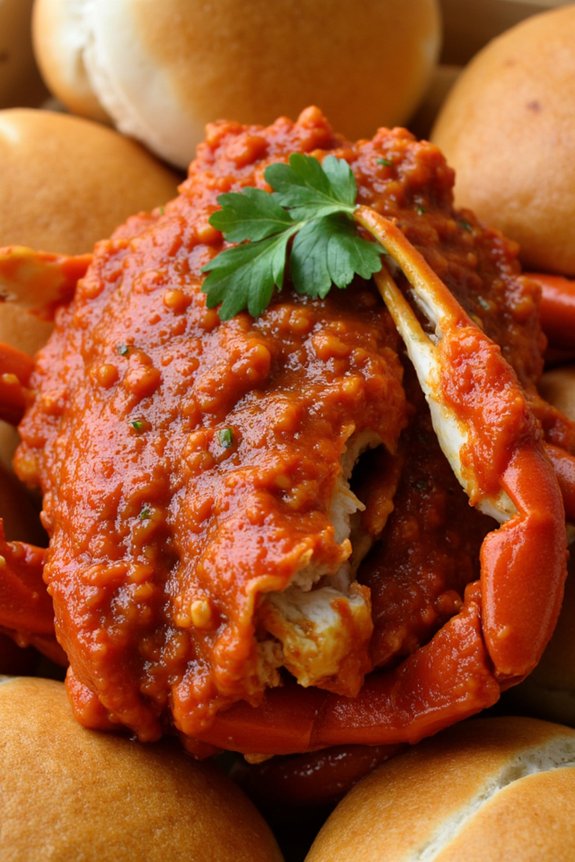
Singaporean Chili Crab is a beloved dish that showcases the rich and bold flavors of Singaporean cuisine. This iconic seafood dish features fresh crabs cooked in a luscious, tangy, and spicy tomato-based sauce, making it a perfect centerpiece for a family dinner. The combination of sweet, savory, and spicy elements creates a complex and unforgettable taste that’s bound to delight everyone at the table.
Originating from the vibrant food culture of Singapore, Chili Crab is often enjoyed with steamed or fried mantou buns, which are perfect for soaking up the flavorful sauce. The preparation of this dish may seem intimidating, but with a little patience and organization, you can recreate this authentic Singaporean delicacy in your own kitchen. Below is a recipe that serves 4-6 people, guaranteeing that everyone gets to indulge in this culinary masterpiece.
Ingredients:
- 2 whole live crabs (about 2 pounds each), cleaned and cut into pieces
- 1/2 cup cooking oil
- 1 large onion, finely chopped
- 4 cloves garlic, minced
- 2 tablespoons ginger, minced
- 6 tablespoons chili paste
- 1 cup tomato ketchup
- 2 tablespoons soy sauce
- 1 tablespoon oyster sauce
- 1 tablespoon sugar
- 1 teaspoon salt
- 1 teaspoon freshly ground black pepper
- 1 cup chicken stock
- 2 tablespoons cornstarch mixed with 2 tablespoons water
- 2 eggs, lightly beaten
- Fresh cilantro leaves, for garnish
- 6-8 steamed or fried mantou buns
Cooking Instructions:
- Prepare the Crabs: Start by cleaning the crabs thoroughly. Remove the shell and rinse the crabs under cold water. Cut each crab into sections, cracking the claws slightly to allow the flavors to penetrate. Set aside.
- Sauté Aromatics: In a large wok or deep skillet, heat the cooking oil over medium heat. Add the chopped onion, minced garlic, and ginger. Sauté for about 3-4 minutes until the onions turn translucent and the mixture is fragrant.
- Add Chili Paste: Stir in the chili paste and continue to cook for another 2 minutes, allowing the paste to blend with the aromatics, releasing its spicy aroma.
- Create the Sauce: Add the tomato ketchup, soy sauce, oyster sauce, sugar, salt, and black pepper to the wok. Stir well to combine all the ingredients into a smooth sauce.
- Simmer with Stock: Pour in the chicken stock and bring the mixture to a gentle simmer. Allow it to cook for about 5 minutes to meld the flavors.
- Thicken the Sauce: Gradually stir in the cornstarch slurry (cornstarch mixed with water) and let the sauce thicken, stirring continuously to avoid lumps.
- Cook the Crabs: Add the prepared crab pieces to the sauce, making sure they’re well coated. Cover the wok and let the crab cook for 10-12 minutes or until the meat is tender and cooked through.
- Finish with Eggs: Slowly drizzle the beaten eggs into the sauce, stirring gently to create silky strands of egg throughout the dish. Cook for an additional 2 minutes.
- Garnish and Serve: Transfer the cooked chili crab to a serving dish, garnish with fresh cilantro leaves, and serve hot with steamed or fried mantou buns to soak up the delicious sauce.
Extra Tips:
When preparing Singaporean Chili Crab, selecting fresh crabs is vital for the best flavor and texture. To enhance the heat, you can adjust the amount of chili paste to your liking, or add fresh red chilies for an extra kick.
Be sure to have plenty of napkins on hand, as eating this dish can get a bit messy but is all part of the fun. Finally, don’t rush the cooking process; allowing the sauce to simmer properly will guarantee a depth of flavor that makes this dish truly special.
Burmese Coconut Noodle Soup

Burmese Coconut Noodle Soup, also known as “Ohn No Khauk Swe,” is a rich and flavorful dish that brings together the warmth of coconut milk and the zest of traditional Burmese spices. This comforting soup is perfect for family dinners, offering a delightful blend of textures and tastes with its creamy base, tender chicken, and soft noodles.
Originating from Myanmar, this dish is a staple in Burmese cuisine and is often enjoyed as a hearty meal, providing a unique culinary experience with every bite.
The key to making an authentic Burmese Coconut Noodle Soup lies in balancing the aromatic spices with the smoothness of coconut milk. This recipe combines chicken, noodles, and a variety of spices to create a mouth-watering dish that’s bound to impress your family and friends.
With a perfect harmony of sweet, savory, and spicy flavors, this soup is both satisfying and nurturing. Ideal for serving 4-6 people, this recipe is a wonderful addition to any family dinner table.
Ingredients:
- 500g chicken breast, thinly sliced
- 400ml coconut milk
- 1 liter chicken stock
- 250g egg noodles
- 1 large onion, finely chopped
- 3 cloves garlic, minced
- 1 tablespoon ginger, grated
- 1 teaspoon turmeric powder
- 1 tablespoon fish sauce
- 2 tablespoons chickpea flour
- 2 tablespoons vegetable oil
- Salt and pepper to taste
- 1 lime, cut into wedges
- 2 boiled eggs, halved
- Fresh coriander, for garnish
- Fried shallots, for garnish
- Chili flakes, for garnish
Cooking Instructions:
1. Prepare the Base: In a large pot, heat the vegetable oil over medium heat. Add the chopped onion and sauté until translucent. Stir in the garlic and ginger, cooking until fragrant. Add the turmeric powder and mix well.
2. Cook the Chicken: Add the thinly sliced chicken breast to the pot. Cook until the chicken is no longer pink, stirring occasionally to guarantee even cooking.
3. Create the Soup: Stir in the chickpea flour, coating the chicken and onion mixture. Gradually pour in the chicken stock, stirring constantly to avoid lumps. Add the coconut milk and fish sauce, bringing the mixture to a gentle simmer.
Season with salt and pepper to taste.
4. Cook the Noodles: In a separate pot, cook the egg noodles according to the package instructions. Drain and set aside.
5. Assemble the Soup: Once the soup has simmered for about 15 minutes, taste and adjust seasoning if necessary. Divide the cooked noodles among serving bowls. Ladle the hot soup over the noodles.
6. Garnish and Serve: Top each bowl with halved boiled eggs, fresh coriander, fried shallots, and chili flakes. Serve with lime wedges on the side for added zest.
Extra Tips:
For an even richer flavor, consider simmering the chicken stock with additional spices like star anise or cinnamon before using it in the soup.
If you prefer a spicier dish, increase the amount of chili flakes or add a few slices of fresh chili peppers to the soup before serving.
To guarantee the noodles don’t become soggy, cook them just until al dente and rinse with cold water to stop the cooking process.
This soup is highly versatile, so feel free to add vegetables like spinach or mushrooms for extra nutrition and flavor.
Sri Lankan Fish Curry

Sri Lankan Fish Curry is a delectable dish that combines the bold flavors of Sri Lankan spices with the richness of coconut milk, resulting in a curry that’s both comforting and exotic. This dish is a staple in many Sri Lankan households and is known for its vibrant color and tantalizing aroma. The curry is usually made with firm white fish, such as mackerel or snapper, which holds up well during cooking and absorbs the flavors beautifully. Sri Lankan Fish Curry is perfect for a family dinner, bringing everyone together around the table to enjoy its enchanting taste.
The preparation of this dish involves a harmonious blend of spices and ingredients, each contributing to the curry’s depth of flavor. The use of curry leaves, mustard seeds, and fenugreek seeds provides an authentic taste that’s distinctive to Sri Lankan cuisine. The addition of coconut milk lends a creamy texture to the curry, balancing the heat from the spices. This dish is best served with steamed rice or flatbreads, allowing you to soak up every bit of the delightful sauce. Whether you’re familiar with Sri Lankan cooking or trying it for the first time, this Fish Curry is sure to impress.
Ingredients for 4-6 servings:
- 1.5 pounds of firm white fish fillets (e.g., mackerel or snapper)
- 1 tablespoon vegetable oil
- 1 large onion, finely chopped
- 4 cloves garlic, minced
- 1-inch piece of ginger, grated
- 1 teaspoon mustard seeds
- 1 teaspoon fenugreek seeds
- 10-12 curry leaves
- 1 teaspoon turmeric powder
- 1 tablespoon Sri Lankan curry powder
- 2 green chilies, slit lengthwise
- 1 can (14 ounces) coconut milk
- 1 cup water
- Salt to taste
- Juice of 1 lime
- Fresh cilantro for garnish
Cooking Instructions:
- Prepare the Fish: Cut the fish fillets into large chunks and set aside. Confirm the fish is thoroughly cleaned and patted dry with paper towels.
- Sauté the Aromatics: Heat the vegetable oil in a large saucepan over medium heat. Add the mustard seeds and fenugreek seeds. When they begin to splutter, add the chopped onion, garlic, and ginger. Sauté until the onion is golden brown and fragrant.
- Add Spices and Curry Leaves: Stir in the curry leaves, turmeric powder, and Sri Lankan curry powder. Cook for another 2-3 minutes, allowing the spices to release their aroma.
- Incorporate Coconut Milk and Water: Pour in the coconut milk and water, stirring to combine. Add the slit green chilies and bring the mixture to a gentle simmer.
- Cook the Fish: Gently add the fish chunks to the saucepan. Season with salt and confirm the fish is submerged in the sauce. Cover and cook for 10-15 minutes, or until the fish is cooked through and tender.
- Finish with Lime Juice: Once the fish is cooked, remove the saucepan from the heat. Stir in the lime juice to add a fresh, tangy note to the curry.
- Garnish and Serve: Transfer the curry to a serving dish, garnish with fresh cilantro, and serve hot with steamed rice or flatbreads.
Extra Tips:
For the best flavor, use fresh curry leaves, which are available at Indian or Sri Lankan grocery stores. If you can’t find fenugreek seeds, use a small pinch of fenugreek powder as a substitute. Adjust the number of green chilies according to your heat preference. Be gentle when stirring the curry after adding the fish to prevent the pieces from breaking apart. For an enhanced flavor, marinate the fish in a little turmeric and salt for 15 minutes before starting the cooking process.
Cambodian Amok Trey

Cambodian Amok Trey is a traditional Cambodian dish that features fish cooked in a rich, fragrant curry sauce made with coconut milk and a variety of aromatic spices. Often steamed or baked in banana leaves, this dish is known for its smooth, custard-like texture and vibrant flavors. A staple in Cambodian cuisine, Amok Trey isn’t only delicious but also showcases the harmonious blend of sweet, savory, and spicy notes that are characteristic of Southeast Asian cooking.
The key to making a great Amok Trey lies in the balance of flavors and the quality of ingredients used. Fresh fish, preferably a white fish like tilapia or catfish, is typically the star of this dish. The curry paste, known as kroeung, is made from scratch using ingredients like lemongrass, galangal, and kaffir lime leaves, and gives the dish its signature taste. Traditionally, Amok Trey is steamed in banana leaves, which infuse the dish with a subtle earthy aroma, but it can also be prepared in a baking dish if banana leaves aren’t available.
Ingredients for 4-6 servings:
- 2 lbs of white fish fillets (tilapia, catfish, or similar)
- 1 cup coconut milk
- 2 eggs
- 2 tablespoons fish sauce
- 1 teaspoon sugar
- 1 teaspoon salt
- 4-5 kaffir lime leaves, finely sliced
- Banana leaves (or aluminum foil, if unavailable)
For the kroeung paste:
- 2 stalks of lemongrass, finely chopped
- 1-inch piece of galangal, peeled and sliced
- 4 cloves of garlic
- 2 shallots, peeled
- 2-3 dried red chilies, soaked
- 1 tablespoon turmeric powder
Cooking Instructions:
- Prepare the kroeung paste: In a food processor or mortar and pestle, combine the lemongrass, galangal, garlic, shallots, red chilies, and turmeric powder. Grind into a smooth paste. This paste is the flavor base for your Amok Trey.
- Prepare the fish: Cut the fish fillets into bite-sized pieces and set aside.
- Mix the curry: In a large mixing bowl, combine the kroeung paste, coconut milk, eggs, fish sauce, sugar, and salt. Whisk until well-blended, then stir in the kaffir lime leaves.
- Combine fish and curry mixture: Gently fold the fish pieces into the curry mixture, ensuring each piece is well-coated.
- Prepare the steaming setup: If using banana leaves, cut them into squares large enough to hold a serving of the fish mixture. Soften the leaves by passing them over an open flame for a few seconds. Alternatively, use small ramekins or a baking dish lined with aluminum foil.
- Assemble the dish: Place equal portions of the fish mixture onto each banana leaf or into each ramekin/baking dish. Fold the banana leaves into parcels and secure with toothpicks, or cover the ramekins with foil.
- Cook the Amok Trey: Steam the parcels or ramekins in a steamer for 20-25 minutes, or until the fish is cooked through and the curry has thickened to a custard-like consistency.
- Serve the dish: Carefully open the banana leaves or remove the foil, and serve the Amok Trey hot, garnished with additional sliced kaffir lime leaves if desired.
Extra Tips: When preparing Cambodian Amok Trey, it’s important to adjust the seasoning to your taste, particularly the balance between the saltiness of the fish sauce and the sweetness of the sugar. The kroeung paste can be made in advance and stored in the refrigerator for up to a week, allowing the flavors to meld and intensify. If banana leaves are unavailable, ramekins or a baking dish lined with parchment paper can be used as an alternative. Ultimately, consider adding a small amount of sliced red chili on top before serving for an extra kick of heat.
