

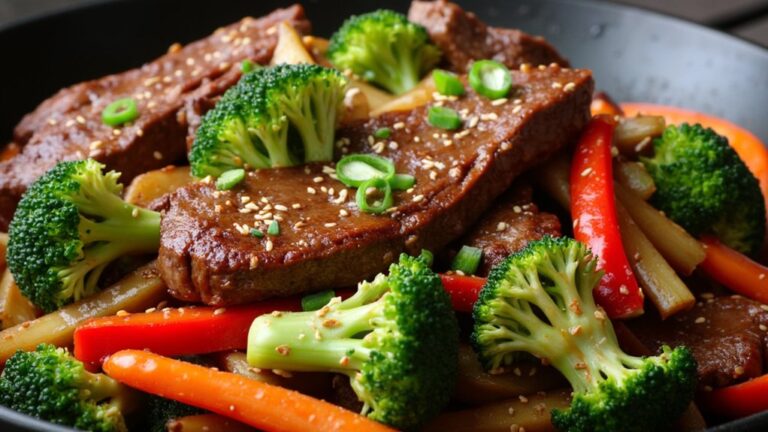
If you’re looking for Japanese family dinner recipes with comforting flavors, you’re in the right place. These dishes are perfect for cozy gatherings with loved ones. From the aromatic Chicken Katsu Curry to the inviting Sukiyaki Hot Pot, there’s something for everyone. Savor the savory notes of Tonkotsu Ramen or enjoy the vibrant Yasai Itame. Let’s embark on a culinary journey, bringing warmth and deliciousness to your table.
Chicken Katsu Curry
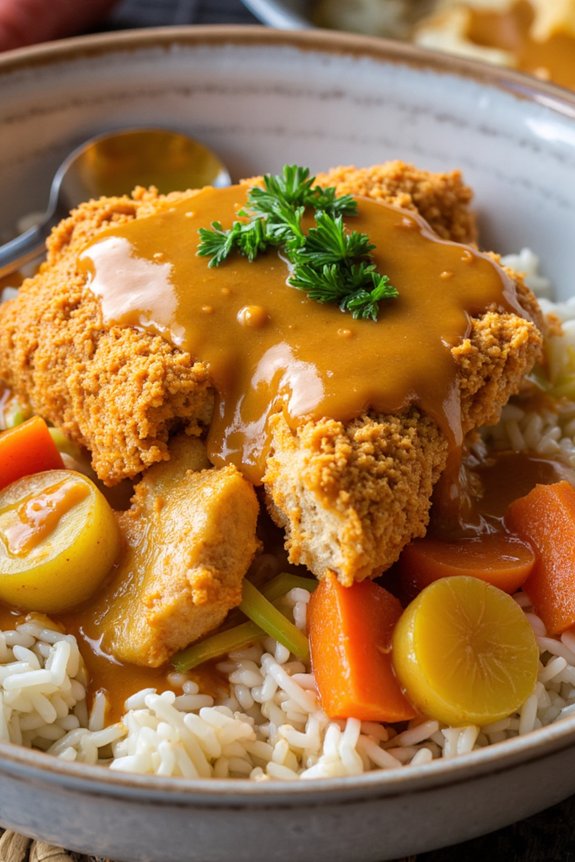
Chicken Katsu Curry is a delightful Japanese dish that combines the comforting flavors of curry with the satisfying crunch of breaded chicken cutlets. A favorite among Japanese family dinners, this dish offers a deliciously warm and hearty meal for everyone to enjoy.
The rich curry sauce, infused with a blend of spices and vegetables, pairs perfectly with the crispy, golden chicken, making it a staple in many households across Japan.
This recipe is perfect for serving 4-6 people, making it ideal for family gatherings or a cozy dinner with friends. The preparation involves creating a luscious curry sauce from scratch, while simultaneously preparing the chicken katsu. Once combined, the result is a mouthwatering dish that’s bound to become a family favorite.
Ingredients:
- 4 chicken breasts
- Salt and pepper, to taste
- 1 cup all-purpose flour
- 2 eggs, beaten
- 2 cups panko breadcrumbs
- Vegetable oil, for frying
- 2 onions, chopped
- 2 carrots, sliced
- 2 potatoes, cubed
- 2 tablespoons curry powder
- 4 cups chicken broth
- 2 tablespoons soy sauce
- 1 tablespoon Worcestershire sauce
- 2 tablespoons all-purpose flour (for thickening)
- Cooked rice, for serving
Cooking Instructions:
- Prepare the Chicken: Season the chicken breasts with salt and pepper. Dredge each breast in flour, then dip in the beaten eggs, and finally coat with panko breadcrumbs. Confirm each piece is evenly coated.
- Fry the Chicken: Heat vegetable oil in a large skillet over medium-high heat. Fry the breaded chicken breasts until golden brown on both sides, about 4-5 minutes per side. Remove from the skillet and place on a paper towel-lined plate to drain excess oil.
- Make the Curry Sauce: In a separate pot, heat a tablespoon of oil over medium heat. Add the chopped onions and sauté until translucent. Stir in the sliced carrots and cubed potatoes, cooking for about 5 minutes.
- Add Spices and Broth: Sprinkle in the curry powder, stirring to coat the vegetables. Pour in the chicken broth, soy sauce, and Worcestershire sauce. Bring the mixture to a boil, then reduce the heat to simmer.
- Thicken the Sauce: In a small bowl, mix 2 tablespoons of flour with a little water to form a paste. Stir this paste into the curry sauce to thicken. Allow the sauce to simmer for 20-25 minutes until the vegetables are tender.
- Assemble the Dish: Slice the fried chicken into strips. Serve the chicken over a bed of cooked rice, generously ladled with the curry sauce.
- Garnish and Serve: For added flavor, you can garnish with chopped parsley or green onions before serving.
Extra Tips:
For an even crispier chicken katsu, you can double-coat the chicken by repeating the dredging process with flour, egg, and panko.
If you prefer a spicier curry, consider adding a pinch of cayenne pepper or a dash of hot sauce to the curry sauce. Additionally, using a curry roux block instead of curry powder can provide a richer flavor profile.
Remember to taste the curry sauce before serving and adjust the seasoning as needed to suit your preferences.
Sukiyaki Hot Pot
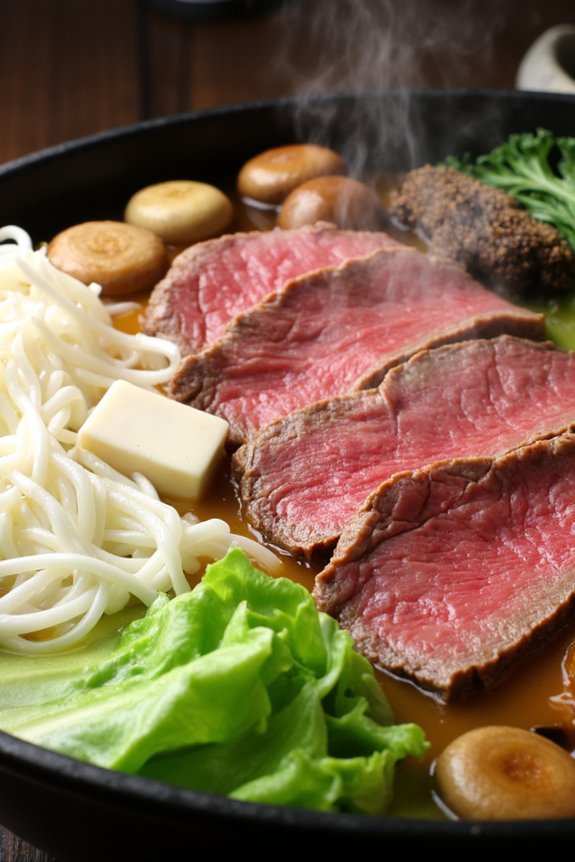
Sukiyaki is a quintessential Japanese family dinner dish, perfect for bringing everyone together around a comforting hot pot meal. It’s a delicious and interactive experience that features thinly sliced beef, tofu, vegetables, and noodles simmered in a savory-sweet soy sauce-based broth. This dish is typically cooked at the table, allowing everyone to enjoy the cooking process and customize their bowl with their preferred ingredients. The combination of flavors and textures in Sukiyaki makes it a heartwarming meal that’s both satisfying and delightful.
Traditionally, Sukiyaki is cooked and served during colder months, making it an ideal dish for cozy gatherings. The origins of Sukiyaki can be traced back to the late 19th century, and it has since become a beloved staple in Japanese cuisine. This recipe serves 4-6 people and provides a harmonious balance of ingredients that are both nutritious and flavorful. The interactive nature of Sukiyaki, where diners can cook their own ingredients at the table, also adds an element of fun and engagement, making it a memorable experience for all.
Ingredients for 4-6 servings:
- 1 pound thinly sliced beef (ribeye or sirloin)
- 1 block of firm tofu, cut into cubes
- 1/2 head of Chinese cabbage, chopped
- 1 bunch of green onions, cut into 2-inch pieces
- 1 pack of enoki mushrooms, trimmed
- 1 pack of shiitake mushrooms, stems removed
- 1 package of shirataki noodles, drained and rinsed
- 4 cups dashi stock (or water)
- 1/2 cup soy sauce
- 1/2 cup mirin
- 1/4 cup sake
- 3 tablespoons sugar
- 2 tablespoons vegetable oil
- 4 eggs (optional, for dipping)
Cooking Instructions:
- Prepare the broth: In a medium-sized pot, combine the dashi stock, soy sauce, mirin, sake, and sugar. Bring the mixture to a gentle simmer, stirring until the sugar is fully dissolved. Keep the broth warm over low heat.
- Heat the pan: In a large shallow pot or sukiyaki pan, heat the vegetable oil over medium heat. Arrange the beef slices in a single layer and cook until they’re lightly browned on both sides. Remove the beef from the pot and set aside.
- Cook the vegetables and tofu: In the same pot, add the tofu, Chinese cabbage, green onions, enoki mushrooms, and shiitake mushrooms. Pour a portion of the broth over the ingredients and allow them to simmer for about 5 minutes until the vegetables are tender.
- Add the noodles and beef: Once the vegetables are cooked, add the shirataki noodles and the browned beef back into the pot. Pour more broth as needed, making sure that all ingredients are submerged. Simmer for an additional 5 minutes to let the flavors meld together.
- Serve the Sukiyaki: Transfer the pot to the dining table. If desired, provide each guest with a small bowl containing a beaten raw egg for dipping. Guests can enjoy the Sukiyaki by selecting their favorite ingredients and dipping them into the raw egg for added richness before eating.
Extra Tips:
When preparing Sukiyaki, it’s important to use thinly sliced beef to guarantee quick cooking and tenderness. You can find pre-sliced beef at Asian grocery stores or ask your butcher to slice it for you.
Adjust the sweetness of the broth according to your preference by adding more or less sugar. If you prefer a richer flavor, consider adding a tablespoon of butter to the broth.
Finally, remember to keep the broth warm and replenish it as needed to maintain a consistent cooking environment for the ingredients. Enjoy the communal and interactive experience of Sukiyaki, and feel free to experiment with additional vegetables or proteins based on your preferences.
Tonkotsu Ramen
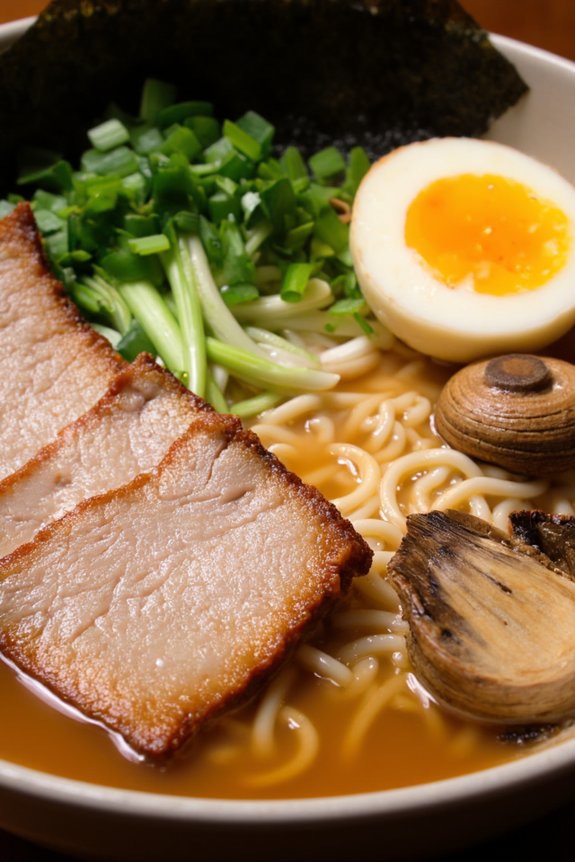
Tonkotsu Ramen is a beloved Japanese noodle soup that has gained immense popularity for its rich and creamy pork bone broth. This dish is the perfect combination of savory and umami flavors, featuring tender slices of pork, fresh noodles, and a variety of toppings that create a comforting and satisfying meal.
Originating from the Fukuoka region of Japan, Tonkotsu Ramen is known for its long simmering process that extracts the flavors from pork bones, creating a silky and opaque broth that coats the noodles beautifully.
Cooking Tonkotsu Ramen at home can be a rewarding experience, allowing you to customize the flavors and toppings to your liking. This recipe will guide you through the process of creating a delicious, authentic Tonkotsu Ramen for 4-6 people. By carefully selecting quality ingredients and following these detailed instructions, you’ll be able to enjoy a restaurant-quality bowl of ramen in the comfort of your own home.
Ingredients (Serves 4-6):
- 2 lbs pork bones
- 1 lb pork belly or pork shoulder
- 6 cups water
- 1 onion, peeled and halved
- 4 cloves garlic, smashed
- 1 piece ginger, sliced
- 2 tablespoons vegetable oil
- 1 tablespoon soy sauce
- 1 tablespoon mirin
- 1 tablespoon sake
- 6-8 servings of fresh ramen noodles
- 4 soft-boiled eggs, halved
- 1 cup sliced green onions
- 1 cup bean sprouts
- 1 cup sliced mushrooms
- Nori sheets, cut into strips
- Salt, to taste
Cooking Instructions:
- Prepare the Broth: Rinse the pork bones under cold water to remove any impurities. Place them in a large pot with water, bring to a boil, and let them cook for 10 minutes. Drain and rinse the bones again to remove any scum. This blanching process is vital for a clear broth.
- Simmer the Broth: Return the bones to the pot, add 6 cups of fresh water, onion, garlic, and ginger. Bring to a boil, then reduce to a simmer. Let the broth simmer for 4-6 hours, skimming off any scum that rises to the surface. This slow cooking extracts the rich flavors from the bones.
- Cook the Pork: While the broth simmers, heat vegetable oil in a pan over medium heat. Sear the pork belly or pork shoulder until browned on all sides. Add soy sauce, mirin, and sake. Cover and let it simmer until the pork is tender, about 1-2 hours. Remove the pork, slice it thinly, and set aside.
- Prepare the Noodles: Cook the ramen noodles according to package instructions. Drain and set aside.
- Assemble the Ramen: Strain the broth to remove solids and return the liquid to the pot. Season with salt to taste. Divide the cooked noodles among bowls, ladle the hot broth over them, and top with slices of pork, soft-boiled eggs, green onions, bean sprouts, mushrooms, and nori strips.
- Serve: Serve the Tonkotsu Ramen hot, allowing diners to mix the toppings into the broth and noodles as they eat.
Extra Tips:
For an even richer broth, consider roasting the pork bones before simmering them, as this will deepen the flavor. You can also add a small amount of miso paste to the broth for extra umami.
To achieve the perfect soft-boiled egg, boil the eggs for exactly 6-7 minutes before plunging them into an ice bath. And remember, patience is key; allowing the broth to simmer for several hours will guarantee a depth of flavor that makes Tonkotsu Ramen truly special.
Oyako Donburi
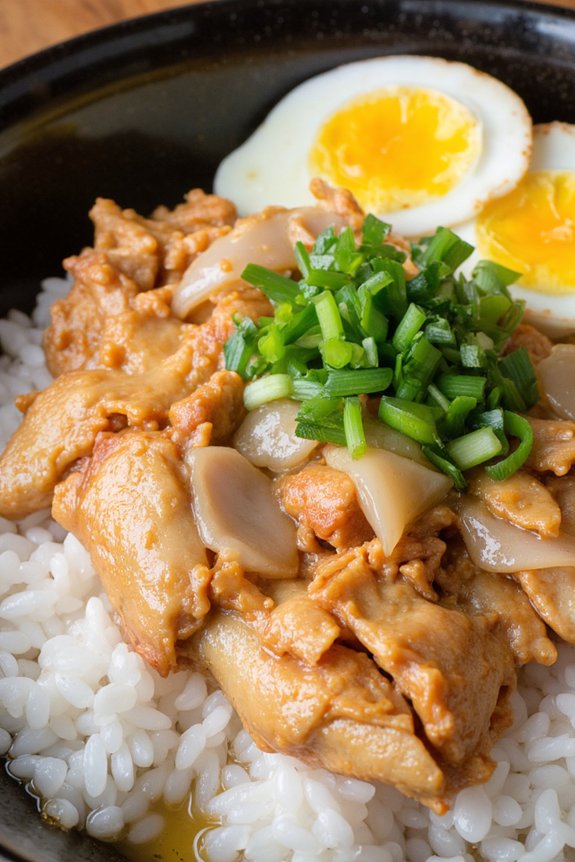
Oyako Donburi, a comforting and traditional Japanese dish, translates to “parent and child bowl,” referring to its main ingredients of chicken and eggs. This savory and slightly sweet dish is a staple in Japanese home cooking, often enjoyed as a quick and satisfying meal. The dish features tender pieces of chicken simmered in a flavorful broth made from dashi, soy sauce, and mirin. The chicken is then gently cooked with beaten eggs until just set, creating a delightful combination of textures and flavors.
Served over a steaming bowl of rice, Oyako Donburi offers a harmonious balance of protein and carbohydrates, making it a perfect one-bowl meal for family dinners.
The beauty of Oyako Donburi lies in its simplicity and versatility. It’s a dish that can be easily adapted to suit personal preferences by adjusting the seasoning or adding seasonal vegetables for extra nutrition. The key to a successful Oyako Donburi is in the quality of the ingredients and the balance of flavors in the broth.
With a few basic ingredients and minimal cooking time, you can create a delicious and satisfying family dinner that captures the essence of Japanese comfort food.
Ingredients (Serves 4-6):
- 4 boneless, skinless chicken thighs
- 1 onion
- 6 eggs
- 1 1/2 cups dashi stock
- 1/4 cup soy sauce
- 1/4 cup mirin
- 1 tablespoon sugar
- 4-6 cups cooked Japanese short-grain rice
- 2 green onions
- Optional: Mitsuba or parsley for garnish
Cooking Instructions:
- Prepare the Ingredients: Begin by cutting the chicken thighs into bite-sized pieces. Thinly slice the onion and chop the green onions. Beat the eggs in a bowl until fully mixed.
- Make the Broth: In a large skillet or saucepan, combine the dashi stock, soy sauce, mirin, and sugar. Stir the ingredients over medium heat until the sugar dissolves completely.
- Cook the Chicken and Onions: Add the sliced onion to the broth and cook until it becomes translucent. Then, add the chicken pieces and simmer for about 5-7 minutes, or until the chicken is cooked through.
- Add the Eggs: Reduce the heat to low, and slowly pour the beaten eggs over the chicken and onions in a circular motion. Cover the pan with a lid and cook for 1-2 minutes, or until the eggs are just set but still slightly runny.
- Serve Over Rice: Scoop the cooked rice into individual bowls and gently slide the chicken and egg mixture over the top. Guarantee each serving has a good balance of chicken, egg, and sauce.
- Garnish: Sprinkle the chopped green onions and optional mitsuba or parsley over each bowl for a fresh touch of color and flavor.
Extra Tips:
To enhance the flavor, use homemade dashi stock if possible, as it provides a more authentic taste compared to store-bought versions. Be mindful not to overcook the eggs; they should remain soft and slightly runny for the best texture.
Adjust the seasoning to your taste by altering the soy sauce and sugar levels. If you prefer a more savory taste, reduce the sugar slightly. Finally, Oyako Donburi is best enjoyed fresh, so try to serve it immediately after cooking to maintain the eggs’ creamy consistency.
Miso-Glazed Salmon
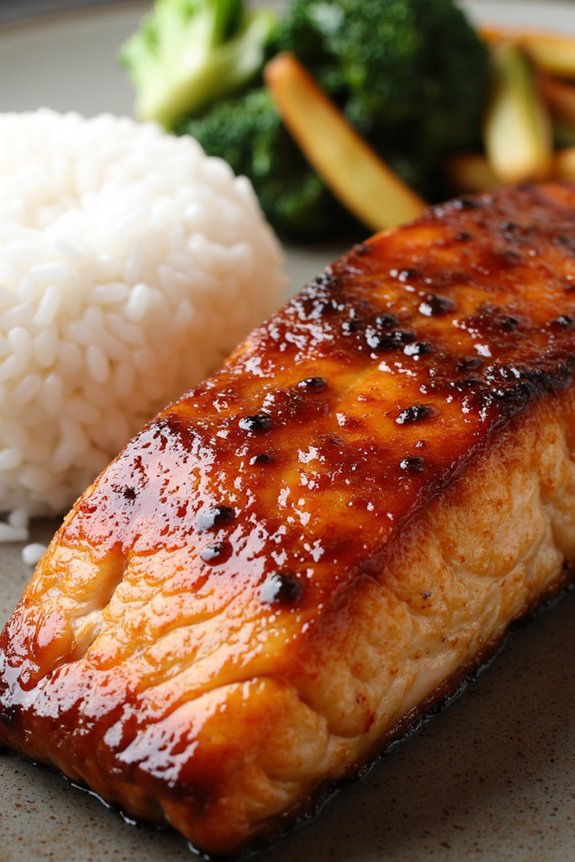
Miso-Glazed Salmon is a delightful Japanese dish that brings together the savory, umami-rich flavors of miso with the tender, flaky texture of salmon. This recipe is perfect for a family dinner, offering a nutritious and satisfying meal that’s both quick and easy to prepare.
The miso glaze, made with a combination of miso paste, soy sauce, and a hint of sweetness, beautifully caramelizes as it cooks, giving the salmon a deep, complex flavor profile that’s hard to resist.
Ideal for serving 4-6 people, this dish isn’t only delicious but also packed with omega-3 fatty acids and essential nutrients. The preparation involves marinating the salmon in the miso glaze to allow the flavors to penetrate the fish, followed by a quick broil for a perfectly cooked, golden-brown finish.
Serve this delectable dish with steamed rice and a side of sautéed vegetables to complete your authentic Japanese family dinner experience.
Ingredients (Serves 4-6):
- 4-6 salmon fillets
- 1/3 cup white miso paste
- 1/4 cup mirin
- 1/4 cup sake
- 2 tablespoons soy sauce
- 2 tablespoons sugar
- 1 tablespoon sesame oil
- 1 tablespoon grated fresh ginger
- 2 teaspoons minced garlic
Cooking Instructions:
- Prepare the Miso Glaze: In a small bowl, combine the white miso paste, mirin, sake, soy sauce, sugar, sesame oil, grated ginger, and minced garlic. Mix well until the sugar is dissolved and the glaze is smooth.
- Marinate the Salmon: Place the salmon fillets in a shallow dish or resealable plastic bag. Pour the miso glaze over the salmon, ensuring each fillet is evenly coated. Cover the dish or seal the bag, then refrigerate for at least 30 minutes, or up to 2 hours for a deeper flavor.
- Preheat the Broiler: About 10 minutes before you’re ready to cook, preheat your oven’s broiler. Line a baking sheet with aluminum foil and lightly grease it to prevent sticking.
- Broil the Salmon: Remove the salmon from the marinade and place the fillets on the prepared baking sheet, skin-side down. Discard the used marinade. Broil the salmon about 6 inches from the heat source for 6-8 minutes, or until the glaze is caramelized and the salmon is cooked through. Keep a close eye on it to prevent burning.
- Serve: Remove the salmon from the oven and let it rest for a couple of minutes. Serve the miso-glazed salmon warm, garnished with sliced green onions or sesame seeds if desired.
Extra Tips:
When choosing your salmon, opt for fillets with the skin on, as this helps to keep the fish moist while cooking.
If you prefer a sweeter glaze, adjust the sugar to taste, or add a teaspoon of honey for extra richness.
Remember that the broiling time may vary depending on the thickness of the fillets, so check for doneness by gently pressing the salmon; it should flake easily with a fork.
Enjoy your salmon with a squeeze of fresh lemon juice for a burst of brightness that complements the savory glaze.
Nikujaga (Meat and Potato Stew)
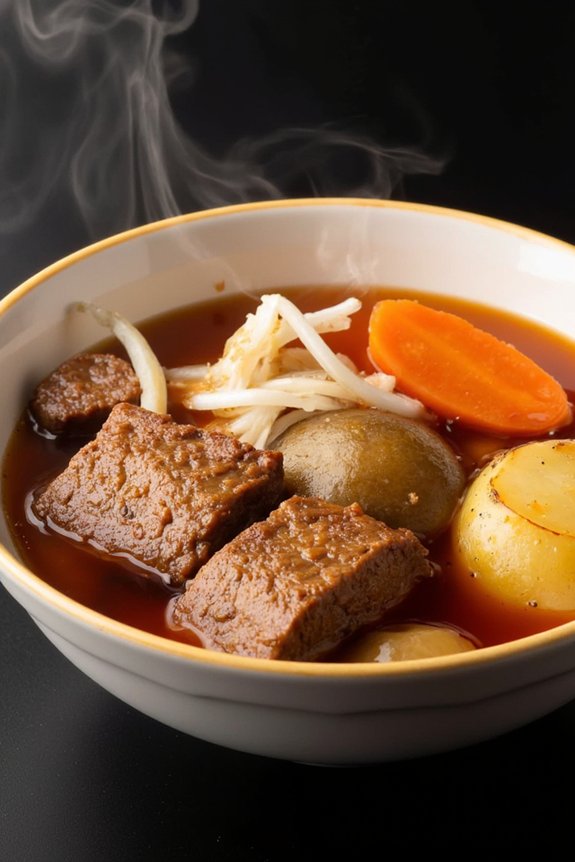
Nikujaga, a classic Japanese comfort food, is a hearty stew made primarily with meat and potatoes. The name “Nikujaga” literally translates to “meat and potatoes,” and it’s a staple in many Japanese households. This dish balances savory and sweet flavors, making it a perfect choice for a comforting family dinner.
The meat used is usually thinly sliced beef or pork, which cooks quickly and absorbs the flavors of the soy sauce-based broth. The potatoes and other vegetables, such as onions and carrots, complement the meat and add texture to the dish.
Cooking Nikujaga is relatively simple and quick, making it an ideal weeknight meal. The ingredients are simmered together in one pot, allowing the flavors to meld beautifully. This dish isn’t only delicious but also visually appealing, with the vibrant colors of the vegetables contrasting with the rich, dark broth.
For families looking to introduce a taste of Japan into their dinner routine, Nikujaga is an excellent starting point. Below is a detailed recipe to serve 4-6 people.
Ingredients:
- 400g thinly sliced beef or pork
- 4 medium potatoes, peeled and cut into chunks
- 2 medium onions, sliced
- 2 medium carrots, peeled and cut into chunks
- 200g of shirataki noodles (optional)
- 600ml dashi stock (or water with dashi powder)
- 5 tablespoons soy sauce
- 4 tablespoons sugar
- 4 tablespoons mirin
- 2 tablespoons sake
- 1 tablespoon vegetable oil
Cooking Instructions:
- Prepare the Ingredients:
- Begin by preparing all your ingredients. Peel and cut the potatoes and carrots into bite-sized chunks, slice the onions thinly, and have your meat ready. If using shirataki noodles, rinse them under cold water and cut them into shorter lengths.
- Sauté the Meat and Onions:
- Heat the vegetable oil in a large pot over medium heat. Add the sliced onions and sauté until they become translucent. Add the meat and cook until it begins to brown, guaranteeing it’s well-separated and evenly cooked.
- Add Vegetables:
- Once the meat is browned, add the potatoes and carrots to the pot. Stir them around to coat them in the oil and any meat juices.
- Combine the Flavors:
- Pour in the dashi stock, soy sauce, sugar, mirin, and sake. Stir everything together, making sure the vegetables and meat are submerged in the liquid. If you’re using shirataki noodles, add them to the pot at this stage.
- Simmer the Stew:
- Bring the mixture to a boil, then reduce the heat to low. Cover the pot with a lid and let it simmer for about 20-30 minutes or until the potatoes are tender and the flavors have melded. Stir occasionally to prevent sticking and promote even cooking.
- Final Adjustments:
- Taste the stew and adjust the seasoning if necessary, adding a touch more soy sauce or sugar to suit your preference. Once the potatoes are cooked through and the broth has reduced slightly, your Nikujaga is ready to serve.
Extra Tips:
When cooking Nikujaga, the choice of meat can influence the dish’s flavor; fattier cuts of meat will add richness to the broth.
If you prefer a thicker broth, you can remove the lid during the last few minutes of cooking to allow more liquid to evaporate. For added nutritional value and color, consider adding green beans or peas during the last few minutes of simmering.
Finally, letting the stew sit for a few hours or overnight in the fridge can deepen the flavors, making it even more delicious when reheated.
Teriyaki Chicken
Teriyaki Chicken is a beloved dish in Japanese cuisine that perfectly balances sweet and savory flavors. This dish features tender chicken coated with a glossy, sticky sauce made of soy sauce, mirin, and sugar, offering a taste that’s both rich and comforting.
It’s a versatile recipe that can be served over steamed rice, with a side of vegetables, or even as a sandwich filling. The key to achieving the perfect Teriyaki Chicken lies in the sauce’s consistency and the chicken’s tenderness, making it a delightful meal for family dinners.
Preparing Teriyaki Chicken at home allows you to control the ingredients and customize it to your liking. By using fresh chicken thighs, the dish retains moisture and flavor, while the homemade teriyaki sauce guarantees that every bite is packed with umami goodness.
This recipe serves 4-6 people, making it ideal for a family gathering or a cozy dinner night. Follow the steps below to create a delicious and authentic Teriyaki Chicken that will impress your loved ones.
Ingredients for 4-6 servings:
- 1.5 pounds of boneless, skinless chicken thighs
- 1/4 cup soy sauce
- 1/4 cup mirin
- 2 tablespoons sake
- 2 tablespoons sugar
- 1 tablespoon vegetable oil
- 2 cloves garlic, minced
- 1 teaspoon ginger, grated
- 2 tablespoons water
- 1 tablespoon cornstarch
- Sesame seeds (optional, for garnish)
- Chopped green onions (optional, for garnish)
Cooking Instructions:
- Prepare the Chicken: Start by trimming any excess fat off the chicken thighs and cut them into bite-sized pieces. Pat the chicken dry with paper towels to guarantee it browns nicely.
- Make the Teriyaki Sauce: In a small bowl, combine the soy sauce, mirin, sake, and sugar. Stir until the sugar dissolves completely. This mixture will serve as the base for the teriyaki sauce.
- Cook the Chicken: Heat the vegetable oil in a large skillet over medium-high heat. Add the chicken pieces in a single layer, making sure not to overcrowd the pan. Cook for about 5-7 minutes on each side or until the chicken is golden brown and cooked through.
- Add Garlic and Ginger: Lower the heat to medium and add the minced garlic and grated ginger to the pan. Stir and cook for an additional 1-2 minutes until fragrant.
- Thicken the Sauce: Mix the water and cornstarch in a separate bowl to create a slurry. Pour the teriyaki sauce mixture into the skillet with the chicken, then add the cornstarch slurry. Stir well to combine and let the sauce simmer until it thickens, about 3-5 minutes.
- Coat the Chicken: Confirm every piece of chicken is well-coated with the sauce by continuously stirring. Once the sauce has reached a thick, glossy consistency, remove the skillet from the heat.
- Serve: Transfer the Teriyaki Chicken to a serving platter. Garnish with sesame seeds and chopped green onions if desired. Serve hot with steamed rice or vegetables.
Extra Tips:
For the best flavor, marinate the chicken in the teriyaki sauce for at least 30 minutes before cooking, if time permits. This allows the flavors to penetrate the meat more deeply.
Be mindful of the sauce’s saltiness, as different soy sauce brands vary in salt content. Adjust the seasoning to your preference, and feel free to add a splash of water if you find the sauce too thick.
Finally, using fresh ginger and garlic elevates the dish’s aroma and taste, so try to avoid substitutes if possible.
Yasai Itame (Stir-Fried Vegetables)
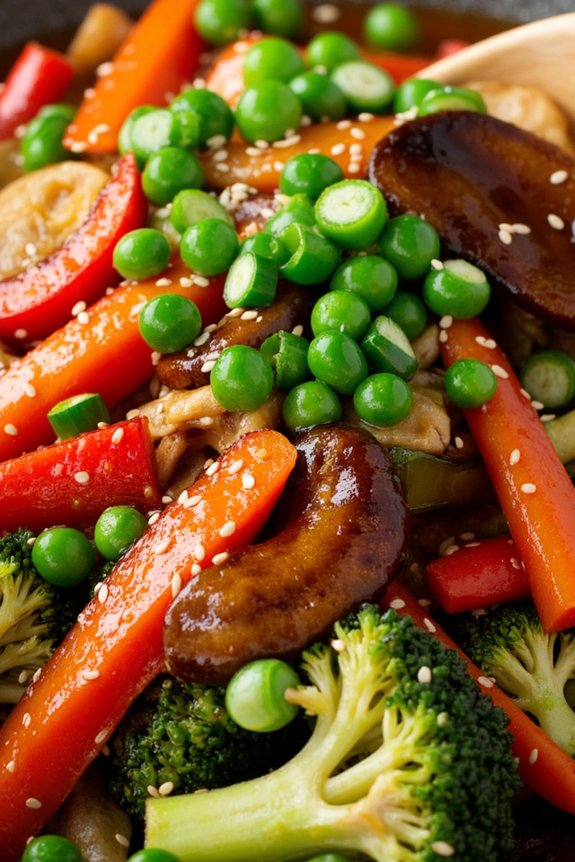
Yasai Itame, or Stir-Fried Vegetables, is a vibrant and healthy Japanese dish that can be quickly prepared for a family dinner. This dish is a delightful combination of colorful vegetables and savory seasonings, making it a perfect accompaniment to a variety of main courses.
Yasai Itame not only highlights the freshness of the ingredients but also offers a burst of flavor with every bite. It’s a versatile dish that can be customized according to personal preferences, allowing you to incorporate your favorite seasonal vegetables.
The beauty of Yasai Itame lies in its simplicity and rapid cooking process, guaranteeing that the vegetables retain their natural crunch and nutrients. This recipe serves 4-6 people and can be easily adjusted to include protein sources such as tofu, chicken, or shrimp for a more substantial meal.
When preparing Yasai Itame, it’s vital to have all the ingredients prepped and ready to go, as the stir-frying process is quick and requires constant attention.
Ingredients:
- 2 tablespoons vegetable oil
- 2 cloves garlic, minced
- 1-inch piece of ginger, minced
- 1 large onion, thinly sliced
- 2 medium carrots, julienned
- 1 red bell pepper, thinly sliced
- 1 green bell pepper, thinly sliced
- 1 cup broccoli florets
- 1 cup sugar snap peas
- 1 cup mushrooms, sliced
- 1 tablespoon soy sauce
- 1 tablespoon oyster sauce
- Salt and pepper to taste
- 2 tablespoons sesame seeds
- 2 green onions, chopped for garnish
Cooking Instructions:
- Prepare the Ingredients: Begin by cleaning and chopping all the vegetables as specified in the ingredients list. Confirm everything is ready before you start cooking, as the stir-frying process happens quickly.
- Heat the Oil: In a large wok or frying pan, heat the vegetable oil over medium-high heat. Ensure the oil is hot before proceeding to the next step, as this will guarantee the vegetables cook evenly.
- Sauté Aromatics: Add the minced garlic and ginger to the hot oil. Stir quickly for about 30 seconds until they become fragrant, being careful not to burn them.
- Cook the Vegetables: Add the sliced onion and carrots to the pan. Stir-fry for about 2 minutes, then add the bell peppers, broccoli, sugar snap peas, and mushrooms. Continue stir-frying for another 3-4 minutes until the vegetables are slightly tender but still have a crunch.
- Add Sauces and Seasonings: Pour in the soy sauce and oyster sauce. Stir well to guarantee all the vegetables are coated with the sauces. Add salt and pepper to taste, adjusting the seasonings as necessary.
- Finish and Serve: Remove the pan from heat and sprinkle the sesame seeds over the vegetables. Toss briefly to mix, then transfer the Yasai Itame to a serving dish. Garnish with chopped green onions and serve immediately.
Extra Tips:
When making Yasai Itame, it’s important to maintain a high heat throughout the cooking process to achieve the perfect stir-fry texture. This guarantees the vegetables are cooked quickly, preserving their color and crispness.
Be careful not to overcrowd the pan, as this can lead to steaming instead of frying. If necessary, cook the vegetables in batches. Additionally, feel free to experiment with other vegetables or add your preferred protein to make the dish heartier.
Enjoy your meal with a side of steamed rice for a complete and satisfying Japanese family dinner.
Gyoza Dumplings
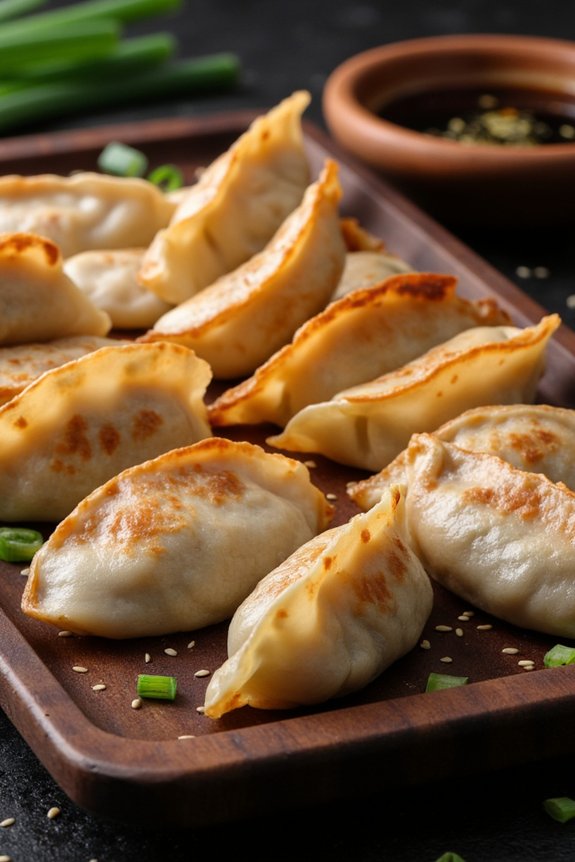
Gyoza are relatively easy to prepare at home, allowing you to customize the filling to your taste preferences. Whether you choose to stick with traditional ingredients or add your own twist, these dumplings are sure to be a hit.
The key to perfect gyoza lies in the balance of textures and the precise cooking method that guarantees a crispy bottom and a deliciously soft top. Preparing these dumplings can also be a fun activity for the whole family, where everyone can participate in the folding and cooking process.
Ingredients (serves 4-6):
- 1 pound ground pork
- 1 cup finely chopped napa cabbage
- 2 green onions, finely chopped
- 2 cloves garlic, minced
- 1 tablespoon grated ginger
- 2 tablespoons soy sauce
- 1 tablespoon sesame oil
- 1/4 teaspoon black pepper
- 30-40 gyoza wrappers
- 2 tablespoons vegetable oil (for frying)
- 1/2 cup water (for steaming)
- Dipping sauce: soy sauce, rice vinegar, and chili oil (optional)
Instructions:
- Prepare the Filling: In a large bowl, combine the ground pork, chopped napa cabbage, green onions, garlic, ginger, soy sauce, sesame oil, and black pepper. Mix everything thoroughly until well incorporated to guarantee an even distribution of flavors.
- Assemble the Gyoza: Place a gyoza wrapper on a flat surface. Spoon about one teaspoon of the filling into the center of the wrapper. Moisten the edges of the wrapper with water using your finger. Fold the wrapper in half over the filling and press the edges together to seal, pleating one side as you go to form a crescent shape. Repeat with the remaining wrappers and filling.
- Cook the Gyoza: Heat the vegetable oil in a large non-stick skillet over medium-high heat. Arrange the gyoza in the skillet, flat side down, without overcrowding. Cook until the bottoms are golden brown, about 2-3 minutes.
- Steam the Gyoza: Once the bottoms are crispy, carefully add 1/2 cup of water to the skillet and cover immediately to trap the steam. Reduce the heat to medium and cook for another 5-7 minutes, or until the water has evaporated. This steaming process guarantees the tops of the gyoza are cooked through.
- Serve: Remove the lid and continue to cook for an additional 1-2 minutes to re-crisp the bottoms. Transfer the gyoza to a serving platter and serve hot with a dipping sauce made from soy sauce, rice vinegar, and a splash of chili oil if desired.
Extra Tips:
To guarantee your gyoza turn out perfectly, make sure not to overfill the wrappers as this can cause them to burst during cooking. Additionally, when pleating the edges, make sure they’re tightly sealed to prevent any filling from leaking out.
If you don’t have a non-stick skillet, you can use a well-seasoned cast iron pan instead. For a vegetarian version, substitute the pork with finely chopped mushrooms or tofu.
Finally, practice makes perfect when it comes to folding gyoza, so don’t worry if your first few attempts aren’t perfect – they’ll still taste delicious!
Shabu-Shabu
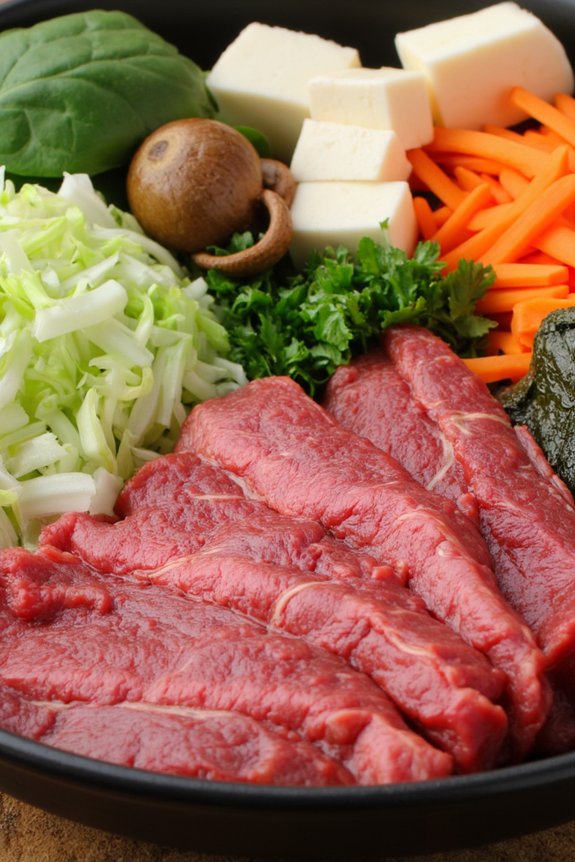
Shabu-Shabu is a popular Japanese hot pot dish that offers a delightful communal dining experience. The name “Shabu-Shabu” derives from the sound of thinly sliced meat being swished back and forth in a pot of simmering broth. This dish is both interactive and nourishing, often enjoyed with family and friends gathered around the dining table. The thin slices of beef or pork are cooked quickly in the hot broth and then dipped into a variety of flavorful sauces. It’s a great way to appreciate the natural flavors of high-quality meat and fresh vegetables.
Traditionally, Shabu-Shabu is served with a variety of vegetables, tofu, and mushrooms, which are all cooked in the same pot, enhancing the flavor of the broth as the meal progresses. The broth itself is usually made with a simple dashi base, often with the addition of kombu (dried kelp) to impart a rich umami taste. This communal style of cooking and eating not only makes for an enjoyable dining experience but also allows for customization based on personal taste preferences.
Ingredients for 4-6 servings:
- 1 lb thinly sliced beef (such as ribeye or sirloin) or pork
- 6 cups dashi broth
- 1 piece kombu (about 4 inches)
- 1/2 lb Napa cabbage, chopped
- 1/2 lb spinach, washed and trimmed
- 1 block tofu, cut into cubes
- 1 cup shiitake mushrooms, stems removed
- 1 cup enoki mushrooms, trimmed
- 1 large carrot, thinly sliced
- 2 green onions, sliced
- 1 package udon noodles (optional)
- Ponzu sauce, for dipping
- Sesame sauce, for dipping
Cooking Instructions:
- Prepare the Broth: In a large pot, add 6 cups of dashi broth along with the kombu. Heat the pot over medium heat and bring to a gentle simmer. Once it starts simmering, remove the kombu to prevent it from becoming too slimy and overpowering the flavor.
- Prepare the Ingredients: While the broth is heating, arrange the sliced beef or pork, chopped vegetables, tofu, and mushrooms on separate platters. This makes it easy for everyone to pick and choose their ingredients during the meal.
- Cook the Ingredients: Once the broth is ready, bring it to the table on a portable stove or keep it on low heat on the kitchen stove. Using chopsticks or tongs, swish the meat slices in the simmering broth until they’re just cooked through. This should take only a few seconds. Next, add vegetables and tofu to the pot, allowing them to cook until tender.
- Serve with Dipping Sauces: Once cooked, dip the meat and vegetables into the ponzu or sesame sauce before eating. Continue this process, adding more ingredients to the pot as needed.
- Finish with Noodles (optional): If using udon noodles, add them to the remaining broth once most of the ingredients have been consumed. Allow the noodles to cook for a few minutes until tender, then serve.
Extra Tips:
To guarantee the best flavor and texture, select high-quality, well-marbled cuts of meat and slice them as thinly as possible. This will allow them to cook quickly and absorb the flavors of the broth.
It’s also important to maintain the broth at a gentle simmer rather than a rolling boil to prevent the meat from becoming tough. Consider setting up individual bowls of dipping sauce and a separate bowl for each person to collect their cooked ingredients. This not only adds to the dining experience but also allows everyone to enjoy their preferred flavor combinations.
Japanese Beef and Vegetable Stir-Fry
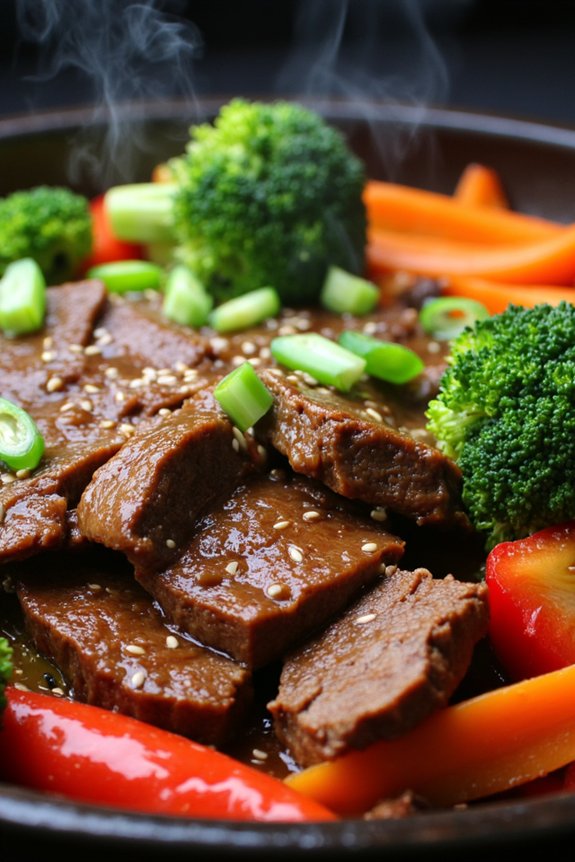
Japanese Beef and Vegetable Stir-Fry is an exquisite dish that captures the essence of Japanese cuisine, combining savory beef with crisp, fresh vegetables. This dish isn’t only delicious but also incredibly quick to prepare, making it an excellent choice for a family dinner.
The flavors are perfectly balanced with a hint of soy sauce, a touch of sweetness from mirin, and the aromatic presence of ginger and garlic. This recipe is designed to serve 4-6 people, allowing you to enjoy a hearty meal with family or friends.
The vibrant colors of the vegetables and the tender beef create a visually appealing dish that’s both healthy and satisfying. With minimal preparation time and a quick cooking process, this dish is perfect for those busy weeknights when you crave a taste of Japan without the hassle.
Ingredients:
- 1 1/2 pounds beef sirloin or flank steak, thinly sliced
- 2 tablespoons vegetable oil
- 1 large onion, thinly sliced
- 2 cups broccoli florets
- 1 red bell pepper, sliced into strips
- 1 carrot, julienned
- 2 cloves garlic, minced
- 1-inch piece of fresh ginger, grated
- 1/4 cup soy sauce
- 2 tablespoons mirin
- 1 tablespoon sake (optional)
- 1 tablespoon sugar
- 2 green onions, chopped
- Sesame seeds for garnish
Instructions:
- Prepare the Beef: Start by slicing the beef into thin strips. This guarantees that the beef cooks quickly and remains tender. Set aside.
- Mix the Sauce: In a small bowl, mix together the soy sauce, mirin, sake (if using), and sugar. Stir until the sugar dissolves completely and set aside.
- Cook the Beef: Heat 1 tablespoon of vegetable oil in a large skillet or wok over medium-high heat. Add the beef in batches to avoid overcrowding, and cook until browned on both sides. This should take about 3-4 minutes. Remove the beef from the skillet and set aside.
- Stir-fry Vegetables: In the same skillet, add another tablespoon of vegetable oil. Add the onion, broccoli, bell pepper, and carrot. Stir-fry the vegetables for about 5 minutes until they’re slightly tender but still crisp.
- Add Aromatics: Add the minced garlic and grated ginger to the vegetables. Stir-fry for another minute to release their flavors.
- Combine Beef and Sauce: Return the beef to the skillet with the vegetables. Pour the sauce over the beef and vegetables, stirring to coat everything evenly. Cook for an additional 2-3 minutes, allowing the sauce to thicken slightly and the flavors to meld.
- Finish with Green Onions: Sprinkle the chopped green onions over the stir-fry and give it a final toss to combine. Remove from heat.
- Serve: Transfer the beef and vegetable stir-fry to a serving platter. Garnish with sesame seeds and serve immediately with steamed rice or noodles.
Extra Tips:
To guarantee your beef is tender, slice it against the grain. This breaks down the muscle fibers and results in a more tender bite.
When stir-frying, it’s essential to keep the heat high and continuously move the ingredients around the pan to prevent them from steaming or becoming soggy.
Feel free to customize the vegetables based on what you have available—snap peas, bok choy, or mushrooms make great additions. For an extra layer of flavor, consider adding a splash of toasted sesame oil at the end of cooking.
