

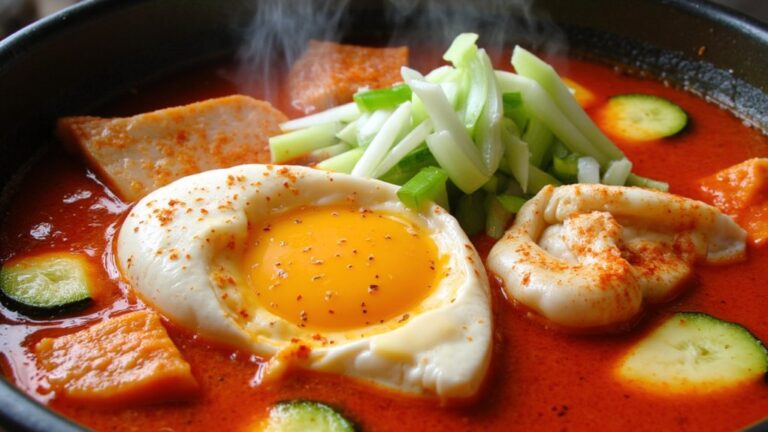
As someone who’s always seeking vibrant flavors to elevate family dinners, I’ve found Korean cuisine to be a treasure trove of colorful, aromatic dishes. Each recipe, from savory beef bulgogi to spicy kimchi stew, offers a burst of unforgettable taste. Ready to explore these enticing recipes? Let’s embark on a culinary journey that could transform your dinner table forever.
Savory Beef Bulgogi

Beef Bulgogi is a classic Korean dish that has captured the hearts and taste buds of people around the world. Known for its succulent slices of marinated beef, Bulgogi is a perfect blend of savory, sweet, and umami flavors, making it an ideal choice for a family dinner. The beef is typically marinated in a mixture of soy sauce, sugar, sesame oil, garlic, and other ingredients, which infuse the meat with an irresistibly rich taste. This dish can be served alongside rice and vegetables, offering a balanced and satisfying meal that brings a taste of Korea to your dining table.
Preparing Savory Beef Bulgogi for a family dinner is an exciting culinary adventure that’s both rewarding and relatively simple. With a few readily available ingredients and some patience, you can easily recreate this popular Korean dish at home. The key to a delicious Bulgogi lies in the marination process, which allows the flavors to deeply penetrate the meat.
Once marinated, the beef is quickly cooked over high heat, giving it a delightful char and tenderness. This recipe is tailored to serve 4-6 people, making it perfect for a family gathering or a cozy dinner with friends.
Ingredients (Serves 4-6):
- 1.5 pounds of beef rib-eye or sirloin, thinly sliced
- 1/2 cup soy sauce
- 3 tablespoons sugar
- 2 tablespoons sesame oil
- 4 cloves garlic, minced
- 1 tablespoon grated ginger
- 1 small onion, thinly sliced
- 3 green onions, chopped
- 1/4 teaspoon black pepper
- 1 tablespoon sesame seeds
- 1 Asian pear or regular pear, grated (optional)
- 2 tablespoons vegetable oil
Cooking Instructions:
- Prepare the Marinade: In a large mixing bowl, combine the soy sauce, sugar, sesame oil, minced garlic, grated ginger, and black pepper. Stir until the sugar is fully dissolved. If using, add the grated pear and mix well. The pear helps tenderize the meat and adds a subtle sweetness.
- Marinate the Beef: Add the thinly sliced beef to the marinade, guaranteeing each piece is well coated. Cover the bowl with plastic wrap and refrigerate for at least 1 hour. For best results, marinate the beef overnight to allow the flavors to fully develop.
- Cook the Bulgogi: Heat the vegetable oil in a large skillet or wok over medium-high heat. Once the oil is hot, add the marinated beef, spreading it evenly in the pan. Cook for about 2-3 minutes on each side, or until the beef is browned and cooked through. Avoid overcrowding the pan; cook in batches if necessary.
- Add Vegetables: Once the beef is nearly cooked, add the sliced onion and green onions to the pan. Stir-fry for an additional 2 minutes until the onions are slightly softened and fragrant.
- Finish and Serve: Sprinkle the sesame seeds over the cooked beef and give it a final stir. Remove from heat and serve immediately with steamed rice and your choice of side vegetables such as kimchi or sautéed spinach.
Extra Tips:
For the best results, make sure that the beef is thinly sliced. Partially freezing the meat for about 15-20 minutes before slicing can make this task easier. Additionally, using a high-quality soy sauce and fresh ingredients will greatly enhance the flavor of your Bulgogi.
If you prefer a spicier version, consider adding a tablespoon of gochujang (Korean chili paste) to the marinade. Finally, keep a close eye on the cooking time; overcooking the beef can lead to a loss of tenderness and flavor. Enjoy your homemade Savory Beef Bulgogi with a side of Korean banchan for an authentic dining experience.
Spicy Kimchi Stew
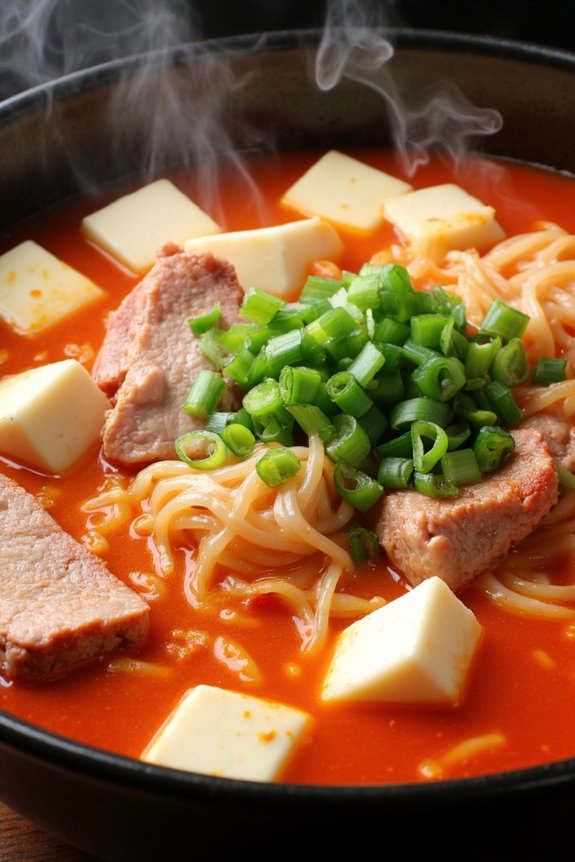
Spicy Kimchi Stew, also known as Kimchi Jjigae, is a beloved staple in Korean households and a must-try for anyone looking to explore the vibrant flavors of Korean cuisine. This comforting stew combines the tangy and spicy notes of fermented kimchi with tender pork, tofu, and a variety of vegetables, creating a dish that’s both hearty and satisfying.
Perfect for a family dinner, Kimchi Jjigae is known for its robust flavors that warm you up from the inside out, making it an ideal choice for cooler evenings or whenever you’re in need of a little culinary comfort.
The secret to a great Kimchi Jjigae lies in the quality of the kimchi used. Ideally, you want to use well-fermented kimchi for its deep flavor profile, which will infuse the stew with its characteristic tangy and umami-rich taste.
The addition of gochujang (Korean chili paste) and gochugaru (Korean chili flakes) intensifies the spice level, while soft tofu lends a creamy texture to the dish. This stew is traditionally cooked in a ttukbaegi, a Korean earthenware pot, which retains heat well and enhances the flavors, but any heavy-bottomed pot will work just fine.
Ingredients (Serves 4-6)
- 2 cups well-fermented kimchi, chopped
- 1/2 pound pork belly or shoulder, sliced into bite-sized pieces
- 1 medium onion, sliced
- 2 tablespoons gochugaru (Korean chili flakes)
- 1 tablespoon gochujang (Korean chili paste)
- 1 tablespoon soy sauce
- 2 teaspoons sugar
- 4 cups water or anchovy stock
- 1 block (about 14 oz) of soft tofu, cut into cubes
- 1 tablespoon vegetable oil
- 3 green onions, chopped
- 2 cloves garlic, minced
- 1 teaspoon sesame oil
- Salt and pepper to taste
Cooking Instructions
- Prepare the ingredients: Start by gathering all your ingredients. Chop the kimchi and pork into bite-sized pieces. Slice the onion and green onions, and cube the tofu. Mince the garlic, and set everything aside.
- Sauté the pork and onion: Heat the vegetable oil in a large pot over medium-high heat. Add the sliced pork and onion, stirring occasionally, until the pork is browned and the onion is translucent, about 5 minutes.
- Add kimchi and seasonings: Stir in the chopped kimchi, gochugaru, gochujang, soy sauce, sugar, and minced garlic. Mix well to coat the ingredients with the spices and allow them to cook for another 3-4 minutes, or until the kimchi starts to soften and release its juices.
- Simmer the stew: Pour in the water or anchovy stock, bringing the mixture to a boil. Once boiling, reduce the heat to medium-low and let it simmer for 20-25 minutes, allowing the flavors to meld together.
- Add tofu and green onions: Gently add the tofu cubes to the pot, being careful not to break them. Stir in the chopped green onions and continue to simmer for another 5 minutes. Season with salt and pepper to taste.
- Finish with sesame oil: Just before serving, drizzle the sesame oil over the stew and give it a final stir.
Extra Tips
When making Kimchi Jjigae, using older, well-fermented kimchi will give your stew its signature depth of flavor. If you prefer a milder version, you can reduce the amount of gochugaru or gochujang.
For a richer broth, consider using pork stock or adding a few dried anchovies during the simmering process. Serve the stew piping hot with a bowl of steamed rice, and enjoy the comforting, spicy warmth it brings to your table.
Crispy Korean Fried Chicken
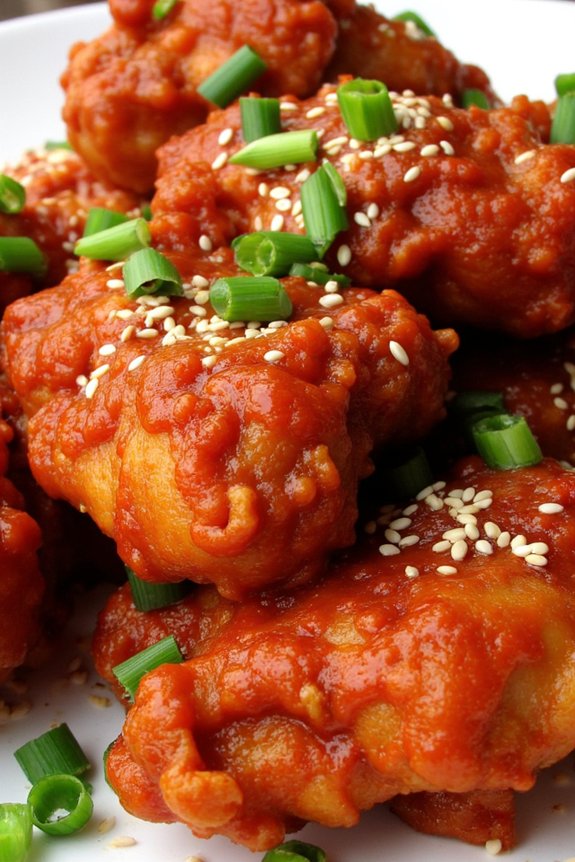
Korean Fried Chicken, or “Yangnyeom Chicken,” is a deliciously crispy and flavorful dish that has captured the hearts and taste buds of food lovers worldwide. This dish is known for its distinct crispy texture, which is achieved through a double-frying method. The succulent chicken pieces are then coated in a sweet, spicy, and savory sauce that perfectly balances the flavors. This dish is perfect for a family dinner, offering a delightful combination of crispiness and tenderness that everyone will enjoy.
The secret to achieving the perfect Korean Fried Chicken lies in the marinade and the frying technique. Marinating the chicken in a mixture of garlic, ginger, and soy sauce infuses it with rich flavors, while the cornstarch coating guarantees a light and crispy crust. The spicy glaze made with gochujang, a Korean chili paste, adds a kick of heat that complements the juicy chicken. This recipe serves 4-6 people, making it an ideal choice for a family gathering or a casual dinner with friends.
Ingredients:
- 3 pounds of chicken wings or drumettes
- 1/2 cup soy sauce
- 2 tablespoons minced garlic
- 1 tablespoon minced ginger
- 1 teaspoon ground black pepper
- 1 cup all-purpose flour
- 1/2 cup cornstarch
- 1 teaspoon baking powder
- Vegetable oil for frying
- 1/2 cup gochujang (Korean chili paste)
- 1/4 cup honey
- 1/4 cup brown sugar
- 2 tablespoons rice vinegar
- 2 tablespoons soy sauce
- Sesame seeds for garnish
- Chopped green onions for garnish
Cooking Instructions:
- Marinate the Chicken: In a large bowl, combine the soy sauce, minced garlic, minced ginger, and ground black pepper. Add the chicken wings or drumettes and mix well, guaranteeing each piece is coated. Cover and refrigerate for at least 1 hour, or overnight for best results.
- Prepare the Coating: In a separate bowl, mix the all-purpose flour, cornstarch, and baking powder. Remove the chicken from the marinade and pat it dry with paper towels. Dredge each piece in the flour mixture, guaranteeing it’s fully coated. Shake off any excess.
- Heat the Oil: In a large, deep pan or a deep fryer, heat the vegetable oil to 350°F (175°C). Confirm there’s enough oil to submerge the chicken pieces completely.
- First Fry: Fry the chicken in batches, being careful not to overcrowd the pan. Fry each batch for about 8-10 minutes, or until the chicken is light golden brown. Remove the chicken and drain on a wire rack.
- Second Fry: Increase the oil temperature to 375°F (190°C). Fry the chicken a second time for 2-3 minutes, or until it turns a deep golden brown and is crispy. This double-frying method guarantees maximum crunchiness. Drain again on a wire rack.
- Prepare the Sauce: In a saucepan, combine the gochujang, honey, brown sugar, rice vinegar, and soy sauce. Heat over medium heat, stirring constantly until the sauce thickens slightly.
- Coat the Chicken: In a large bowl, toss the fried chicken in the sauce until each piece is evenly coated.
- Garnish and Serve: Transfer the chicken to a serving platter and garnish with sesame seeds and chopped green onions. Serve immediately while hot.
Extra Tips:
To achieve the ultimate crispy texture, confirm the chicken is well-drained and patted dry before coating it with the flour mixture. The double-frying method is essential for achieving that signature crunch, so don’t skip the second fry.
If you’re sensitive to heat, you can adjust the amount of gochujang to suit your taste. Additionally, serving the chicken with a side of pickled radish or a simple green salad can help balance the flavors and add a revitalizing contrast to the spicy glaze.
Flavorful Bibimbap Bowls
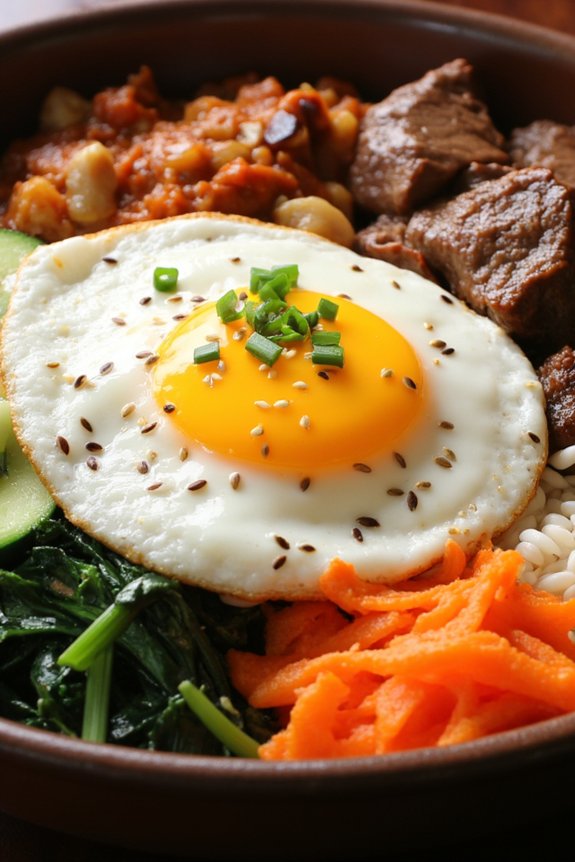
Bibimbap, a classic Korean dish, is a delightful medley of rice, vegetables, proteins, and spicy sauce, all mixed together in one harmonious bowl. The word “bibimbap” literally means “mixed rice” and is a staple in Korean households, celebrated for its balance of flavors and textures.
The beauty of bibimbap lies in its versatility; you can customize it with your choice of vegetables and proteins, making it a perfect family meal that caters to different tastes and dietary preferences. This recipe for Flavorful Bibimbap Bowls aims to bring the vibrant and nutritious elements of Korean cuisine to your dining table, offering a wholesome meal that’s both satisfying and visually appealing.
The following recipe provides a step-by-step guide to creating these delicious bibimbap bowls, ensuring that each component is perfectly seasoned and cooked to perfection. This dish is ideal for serving 4-6 people, making it a great option for a family dinner. With the right preparation and a focus on fresh ingredients, you can enjoy a taste of Korea in the comfort of your own home. Prepare to be captivated by the rich, complex flavors that define this beloved dish.
Ingredients (serving size: 4-6 people):
- 3 cups of cooked white rice
- 2 tablespoons sesame oil
- 1 tablespoon vegetable oil
- 1 pound beef sirloin or chicken breast, thinly sliced
- 2 tablespoons soy sauce
- 1 tablespoon sugar
- 1 tablespoon minced garlic
- 1 teaspoon grated ginger
- 1 zucchini, julienned
- 1 carrot, julienned
- 1 cup bean sprouts
- 1 bunch of spinach
- 4 eggs
- Kimchi to taste
- Gochujang (Korean red pepper paste) to taste
- Sesame seeds for garnish
- Chopped green onions for garnish
Cooking Instructions:
- Prepare the Rice: Cook 3 cups of white rice according to package instructions. Once cooked, keep it warm and set aside.
- Marinate the Meat: In a mixing bowl, combine the thinly sliced beef or chicken with 1 tablespoon of soy sauce, 1 tablespoon of sugar, 1 tablespoon of minced garlic, and 1 teaspoon of grated ginger. Mix well, cover, and let it marinate for at least 15 minutes.
- Cook the Vegetables: Heat 1 tablespoon of vegetable oil in a large pan over medium heat. Sauté the julienned zucchini and carrots separately until they’re tender but still crisp. Remove them from the pan and set aside. In the same pan, quickly blanch the spinach and bean sprouts until just wilted, then remove and set aside.
- Cook the Meat: In the same pan, add 1 tablespoon of sesame oil, and cook the marinated meat until it’s fully cooked and browned. This should take about 4-5 minutes, depending on the thickness of your slices. Once cooked, remove from the pan and set aside.
- Fry the Eggs: In a separate non-stick pan, fry the eggs sunny-side up or to your preferred doneness. Set aside.
- Assemble the Bibimbap Bowls: Divide the cooked rice among 4-6 bowls. Arrange the sautéed vegetables, cooked meat, and a sunny-side-up egg on top of the rice in each bowl. Add a generous spoonful of kimchi and gochujang to taste.
- Garnish and Serve: Sprinkle sesame seeds and chopped green onions over each bowl as garnish. Serve immediately, encouraging everyone to mix all the ingredients together before eating to enjoy the full spectrum of flavors.
Extra Tips:
For a more authentic experience, consider using a stone pot (dolsot) to serve the bibimbap. Heat the stone pot with a little sesame oil before adding the rice; this creates a crispy rice layer at the bottom, adding an extra dimension to the dish.
Feel free to experiment with different vegetables and proteins according to what’s in season or your family’s preferences. Also, adjust the amount of gochujang based on your spice tolerance; it’s quite potent, so start small and add more if needed.
Sweet and Spicy Tteokbokki
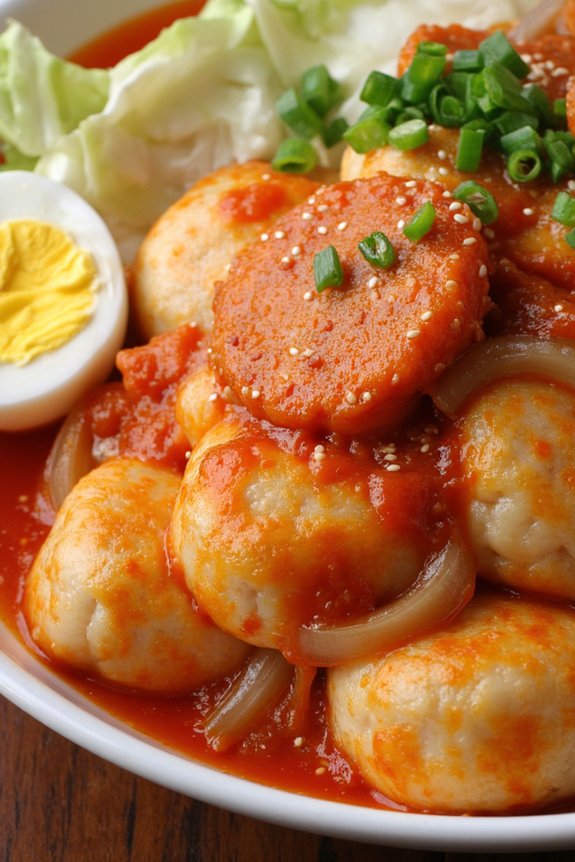
Sweet and Spicy Tteokbokki is a popular Korean street food dish that has gained international attention due to its unique combination of sweet, spicy, and savory flavors. This dish features chewy rice cakes simmered in a luscious gochujang-based sauce, making it a perfect comfort food for a family dinner.
Whether you’re new to Korean cuisine or a seasoned enthusiast, this dish is sure to satisfy your taste buds with its delightful texture and bold flavors.
Tteokbokki is traditionally enjoyed with fish cakes, vegetables, and sometimes boiled eggs. The star of the dish, however, is the sauce made from gochujang (Korean red chili paste), which provides the signature heat and depth of flavor.
This recipe serves 4-6 people, making it an ideal choice for a family meal or a gathering with friends. It’s simple to prepare, and with the right ingredients and techniques, you can bring a taste of Korea to your dinner table.
Ingredients for 4-6 servings:
- 1 pound Korean rice cakes (tteok)
- 4 cups water
- 2 tablespoons gochujang (Korean red chili paste)
- 1 tablespoon gochugaru (Korean red chili flakes)
- 3 tablespoons soy sauce
- 2 tablespoons sugar
- 1 tablespoon corn syrup or honey
- 2 cloves garlic, minced
- 1/2 teaspoon sesame oil
- 1/2 pound Korean fish cakes, sliced
- 1 small onion, sliced
- 1 cup cabbage, chopped
- 2 green onions, chopped
- Optional: 2 boiled eggs, halved
- Optional: Sesame seeds for garnish
Cooking Instructions:
- Prepare the Rice Cakes: If using refrigerated or frozen rice cakes, soak them in warm water for about 10 minutes to soften. This will make them easier to cook and help them absorb the sauce better.
- Make the Sauce: In a large pan or pot, combine water, gochujang, gochugaru, soy sauce, sugar, corn syrup, minced garlic, and sesame oil. Stir the mixture well and bring it to a gentle simmer over medium heat.
- Cook the Tteokbokki: Add the softened rice cakes to the sauce and stir to guarantee they’re evenly coated. Allow them to cook for about 10 minutes, stirring occasionally, until they become soft and chewy and the sauce thickens.
- Add the Vegetables and Fish Cakes: Stir in the sliced fish cakes, onion, and cabbage. Continue to cook for another 5-7 minutes until the vegetables are tender and the fish cakes are heated through.
- Finish with Garnishes: If using, add the boiled eggs to the pan and let them warm in the sauce for a couple of minutes. Sprinkle the dish with chopped green onions and sesame seeds before serving.
Extra Tips:
When making Sweet and Spicy Tteokbokki, it’s essential to monitor the heat level of your stove. Keeping the sauce at a gentle simmer prevents it from burning and guarantees the rice cakes cook evenly.
Adjust the spiciness by varying the amount of gochugaru and gochujang according to your taste preference. Also, consider experimenting with additional ingredients such as mushrooms or carrots for added texture and flavor.
Finally, if you find the sauce too thick, simply add a little more water to reach your desired consistency. Enjoy your homemade tteokbokki with a side of kimchi or pickled radish for a truly authentic Korean dining experience.
Refreshing Korean Cucumber Salad
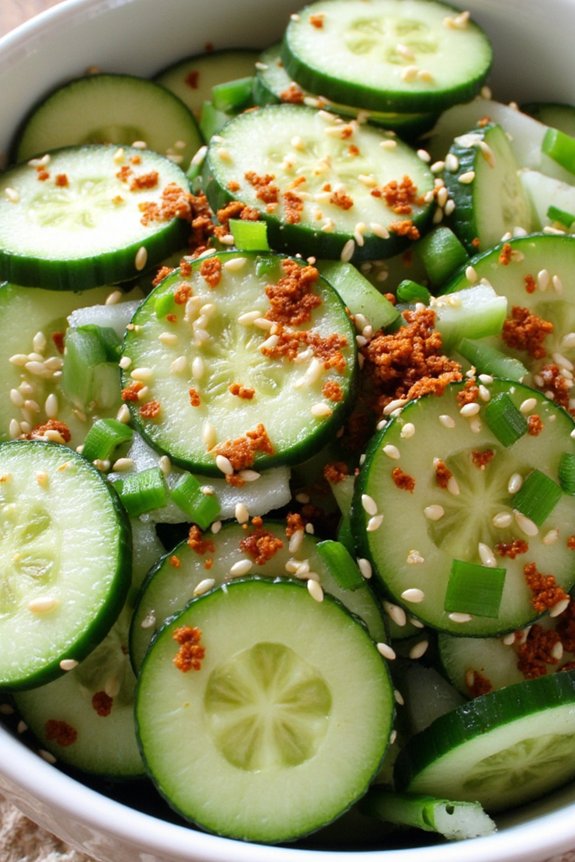
Korean cuisine is renowned for its bold flavors and emphasis on fresh, vibrant ingredients. A staple in many Korean meals is a invigorating cucumber salad, known as “Oi Muchim.” This dish combines the crispness of cucumbers with a tangy, slightly spicy dressing that delights the palate and complements a variety of main courses. Perfect for a family dinner, this salad can be enjoyed as a side dish or even as an invigorating snack on its own.
A key feature of this salad is its simplicity and the speed with which it can be prepared. The cucumbers are typically thinly sliced and tossed with a dressing made from soy sauce, vinegar, garlic, and sesame oil, which imparts a savory and aromatic quality. The addition of red pepper flakes gives the dish a gentle kick, balancing the coolness of the cucumbers with a touch of heat. This easy-to-make salad isn’t only delicious but also nutritious, making it a perfect addition to any family dinner table.
Ingredients for 4-6 servings:
- 4 medium cucumbers (preferably Korean or Persian cucumbers)
- 2 teaspoons salt
- 2 tablespoons rice vinegar
- 1 tablespoon soy sauce
- 1 tablespoon sesame oil
- 1 tablespoon sugar
- 2 cloves garlic, minced
- 1 teaspoon Korean red pepper flakes (gochugaru)
- 1 tablespoon sesame seeds
- 2 scallions, finely chopped
Cooking Instructions:
- Prepare the Cucumbers:
- Wash the cucumbers thoroughly and pat them dry. Slice the cucumbers into thin, even rounds, approximately 1/8 inch thick.
- Place the cucumber slices in a large bowl and sprinkle with salt. Mix well and let them sit for about 15 minutes. This will help draw out excess moisture, keeping them crisp.
- Make the Dressing:
- While the cucumbers are resting, prepare the dressing. In a small bowl, combine rice vinegar, soy sauce, sesame oil, sugar, minced garlic, and Korean red pepper flakes. Stir until the sugar dissolves completely.
- Assemble the Salad:
- Once the cucumbers have released some moisture, gently squeeze them to remove excess water, then drain and pat dry with paper towels.
- Place the cucumbers back in the large bowl, and pour the prepared dressing over them. Toss everything together to make sure the cucumbers are evenly coated.
- Finish and Serve:
- Add the sesame seeds and chopped scallions to the salad, tossing once more to distribute evenly.
- Taste and adjust seasoning if necessary, adding more salt or sugar to your preference.
- Serve the salad immediately or refrigerate for up to an hour to let the flavors meld together.
Extra Tips:
To make your Korean cucumber salad even more invigorating, consider using chilled cucumbers straight from the refrigerator. If you prefer a richer flavor, lightly toast the sesame seeds before adding them to the salad.
This dish can be adapted to personal taste by adjusting the amount of red pepper flakes for more or less heat, or by adding other vegetables like carrots or radishes for additional texture and flavor. Remember, this salad is best served fresh, so try to prepare it just before serving for maximum crispness and taste.
Hearty Japchae Noodles
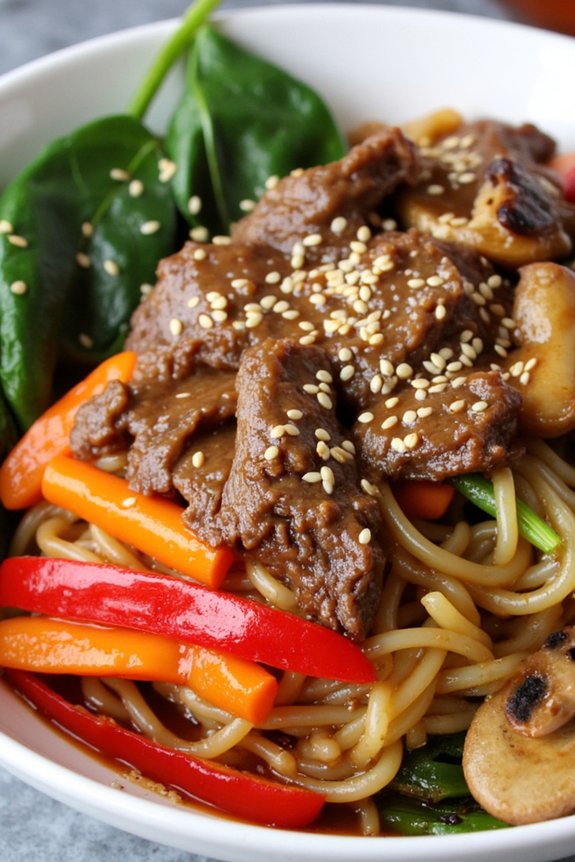
Japchae is a beloved Korean dish known for its colorful presentation and delightful combination of flavors and textures. Traditionally made with sweet potato starch noodles, known as glass noodles or dangmyeon, this dish is stir-fried to perfection with a variety of vegetables, mushrooms, and sometimes beef or other proteins. The noodles absorb the savory and slightly sweet soy-based sauce, resulting in a harmonious blend of taste and aroma.
Japchae isn’t only a popular choice for special occasions and celebrations but also an excellent option for a comforting family dinner. This hearty version of Japchae is tailored to serve 4-6 people, making it an ideal choice for a family gathering. The recipe maintains the traditional essence of the dish while allowing for some flexibility in the choice of vegetables and proteins, guaranteeing everyone around the table is satisfied.
Whether you’re familiar with Korean cuisine or trying it for the first time, this recipe is straightforward and rewarding, sure to bring joy and warmth to your dining experience.
Ingredients (Serves 4-6):
- 200g sweet potato starch noodles (dangmyeon)
- 200g beef (sirloin or ribeye), thinly sliced
- 1 carrot, julienned
- 1 red bell pepper, thinly sliced
- 1 yellow onion, thinly sliced
- 150g spinach, blanched
- 100g shiitake mushrooms, sliced
- 2 cloves garlic, minced
- 3 tablespoons soy sauce
- 2 tablespoons sesame oil
- 1 tablespoon sugar
- 1 tablespoon vegetable oil
- 2 teaspoons sesame seeds
- Salt and pepper to taste
Instructions:
- Prepare the Ingredients: Begin by soaking the sweet potato noodles in hot water for about 20 minutes until they’re soft. Drain and set aside. Meanwhile, season the sliced beef with a pinch of salt and pepper.
- Cook the Noodles: In a large pot, bring water to a boil and cook the soaked noodles for about 6-7 minutes until they’re tender but still chewy. Drain and rinse under cold water. Cut the noodles into shorter lengths for easier handling.
- Stir-fry the Beef: Heat a large pan over medium-high heat and add the vegetable oil. Once hot, add the beef slices and stir-fry until browned and cooked through. Remove from the pan and set aside.
- Sauté the Vegetables: In the same pan, add the minced garlic, onions, carrots, red bell pepper, and shiitake mushrooms. Stir-fry for about 5 minutes until the vegetables are tender-crisp.
- Combine the Ingredients: Lower the heat to medium and add the cooked noodles, beef, and blanched spinach to the pan with the vegetables. Pour in the soy sauce, sesame oil, and sugar. Toss everything together until well mixed and the noodles are evenly coated with the sauce.
- Finish with Flavors: Sprinkle sesame seeds over the top and give it a final toss. Adjust seasoning with additional salt and pepper if needed. Serve hot.
Extra Tips:
For the best results, make sure that all your ingredients are prepped and ready before you start cooking, as the process moves quickly.
Feel free to adjust the vegetable selection based on what’s available or your personal preference. If you’re looking to make the dish vegetarian, simply omit the beef and add more vegetables or tofu.
Additionally, keeping the noodles slightly chewy adds to the authentic texture of Japchae, so be mindful not to overcook them. Finally, a touch of gochugaru (Korean chili flakes) can be added for those who enjoy a bit of heat in their dishes.
Traditional Korean Pancakes
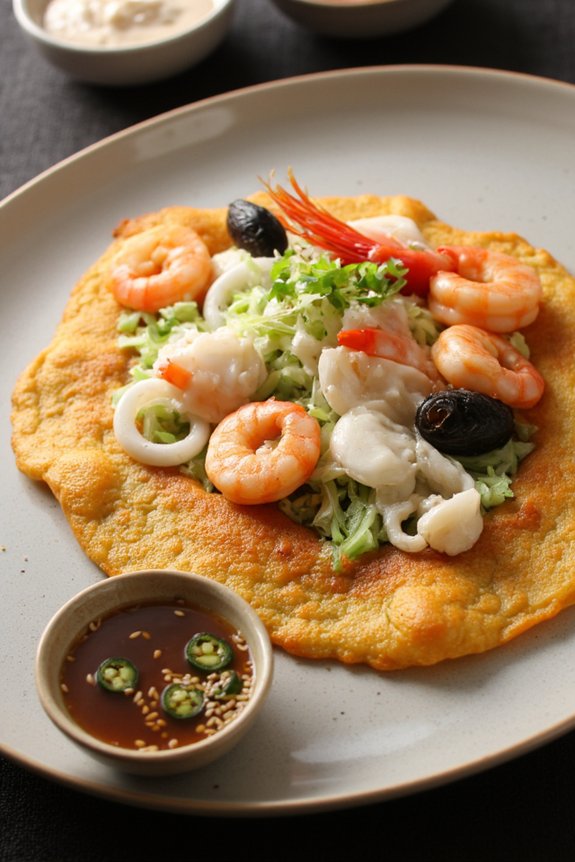
Haemul Pajeon, also known as Korean Seafood Pancake, is a beloved dish that beautifully combines the flavors of fresh seafood with the subtle sweetness of green onions, all encased in a crispy, savory pancake. This traditional Korean favorite isn’t only visually appealing with its golden-brown exterior and vibrant green onions peeking through, but it’s also incredibly satisfying to eat.
It’s perfect as an appetizer, a side dish, or even a main course if you’re in the mood for something light yet flavorful. The key to a perfect Haemul Pajeon lies in balancing the batter-to-filling ratio to achieve that crisp and slightly chewy texture. This dish is typically served with a tangy dipping sauce that complements the savory pancake beautifully.
Whether you’re hosting a Korean-inspired dinner or simply indulging your culinary curiosity, this recipe will guide you in creating a delicious and authentic Haemul Pajeon that your family and friends will enjoy.
Ingredients (Serves 4-6):
- 1 cup all-purpose flour
- 1 cup ice-cold water
- 1 egg
- 1/2 teaspoon salt
- 1/4 teaspoon ground black pepper
- 1 bunch green onions, cut into 2-inch pieces
- 1/2 cup shrimp, peeled and deveined
- 1/2 cup squid, cleaned and cut into rings
- 1/2 cup mussels, cleaned and de-shelled
- 2 tablespoons vegetable oil
For the Dipping Sauce:
- 1/4 cup soy sauce
- 1 tablespoon rice vinegar
- 1 teaspoon sesame oil
- 1 teaspoon sugar
- 1 teaspoon sesame seeds
- 1 small clove garlic, minced
- 1 green chili, thinly sliced (optional)
Cooking Instructions:
- Prepare the Batter: In a large mixing bowl, combine the all-purpose flour, ice-cold water, and egg. Whisk together until the mixture is smooth and free of lumps. Season with salt and ground black pepper.
- Mix the Filling: Gently fold the cut green onions, shrimp, squid, and mussels into the batter. Confirm that the seafood and green onions are evenly coated.
- Heat the Pan: Heat 1 tablespoon of vegetable oil in a non-stick frying pan over medium-high heat. Swirl the pan to coat the bottom evenly with oil.
- Cook the Pancake: Pour half of the batter mixture into the pan, spreading it out evenly to form a pancake. Cook for about 3-4 minutes, or until the bottom is golden brown and crispy.
- Flip the Pancake: Carefully flip the pancake using a wide spatula. Add another tablespoon of oil around the edges if necessary. Cook the other side for an additional 3-4 minutes until it’s also golden brown and crispy.
- Prepare the Dipping Sauce: While the pancake is cooking, mix the soy sauce, rice vinegar, sesame oil, sugar, sesame seeds, minced garlic, and sliced green chili in a small bowl. Stir until the sugar is dissolved.
- Serve: Once both sides of the pancake are cooked, transfer it to a cutting board. Let it cool for a minute before cutting into wedges. Serve warm with the prepared dipping sauce.
Extra Tips:
For the crispiest Haemul Pajeon, make sure your water is ice-cold, as this helps create a light batter that crisps up beautifully. If you prefer a spicier pancake, you can add thinly sliced red chili peppers into the batter.
Additionally, feel free to experiment with different types of seafood depending on availability and personal preference. Always confirm that your seafood is fresh for the best flavor and texture. Finally, using a non-stick pan is essential for easy flipping and achieving that perfect golden crust.
Delicious Korean BBQ Ribs

Korean BBQ Ribs are a succulent and flavorful dish that brings the essence of Korean cuisine right to your dinner table. This dish is perfect for family gatherings, as the rich and savory flavors of the marinated ribs will surely satisfy everyone’s taste buds.
The key to these ribs is the marinade, which combines traditional Korean ingredients like soy sauce, garlic, and sesame oil with a hint of sweetness from brown sugar and a touch of spice from Korean red pepper flakes. These ribs are best when cooked on a grill, giving them a delicious char that enhances their savory taste.
This recipe will guide you through preparing Korean BBQ Ribs for 4-6 people, guaranteeing that your family dinner is a delightful culinary experience. By allowing the ribs to marinate overnight, you’ll maximize the flavor infusion, making them tender and juicy.
Whether you’re a seasoned cook or a beginner, this recipe is straightforward and easy to follow, providing you with a dish that’s both impressive and mouthwatering.
Ingredients (Serves 4-6 people):
- 3 pounds of beef short ribs
- 1 cup soy sauce
- 1/2 cup brown sugar
- 1/4 cup sesame oil
- 1/4 cup rice vinegar
- 6 cloves garlic, minced
- 2 tablespoons fresh ginger, grated
- 1 tablespoon Korean red pepper flakes (gochugaru)
- 1/4 cup water
- 2 tablespoons sesame seeds
- 4 green onions, chopped
Cooking Instructions:
- Prepare the Marinade: In a large mixing bowl, combine the soy sauce, brown sugar, sesame oil, rice vinegar, minced garlic, grated ginger, Korean red pepper flakes, and water. Stir until the sugar is fully dissolved and the ingredients are well mixed.
- Marinate the Ribs: Place the beef short ribs in a large resealable plastic bag or a shallow dish. Pour the marinade over the ribs, making sure they’re fully coated. Seal the bag or cover the dish with plastic wrap, and refrigerate for at least 4 hours, preferably overnight, to allow the flavors to penetrate the meat.
- Preheat the Grill: When ready to cook, preheat your grill to medium-high heat. If using a charcoal grill, make sure the coals are white-hot before cooking.
- Grill the Ribs: Remove the ribs from the marinade, allowing any excess to drip off. Grill the ribs for about 4-5 minutes on each side, or until they’re nicely charred and cooked through. Baste occasionally with the remaining marinade for enhanced flavor.
- Rest and Garnish: Once cooked, remove the ribs from the grill and let them rest for about 5 minutes. Sprinkle with sesame seeds and chopped green onions before serving.
Extra Tips:
For an extra layer of flavor, consider adding a splash of pear juice or grated Asian pear to the marinade. This not only enhances the sweetness but also acts as a natural tenderizer, making the ribs even more delectable.
Additionally, if you prefer a spicier kick, increase the amount of Korean red pepper flakes or add a dash of gochujang (Korean chili paste) to the marinade. When grilling, be attentive to the heat and flare-ups, as the sugar in the marinade can cause charring. Adjust the heat as needed to avoid burning the ribs.
Spicy Soft Tofu Soup
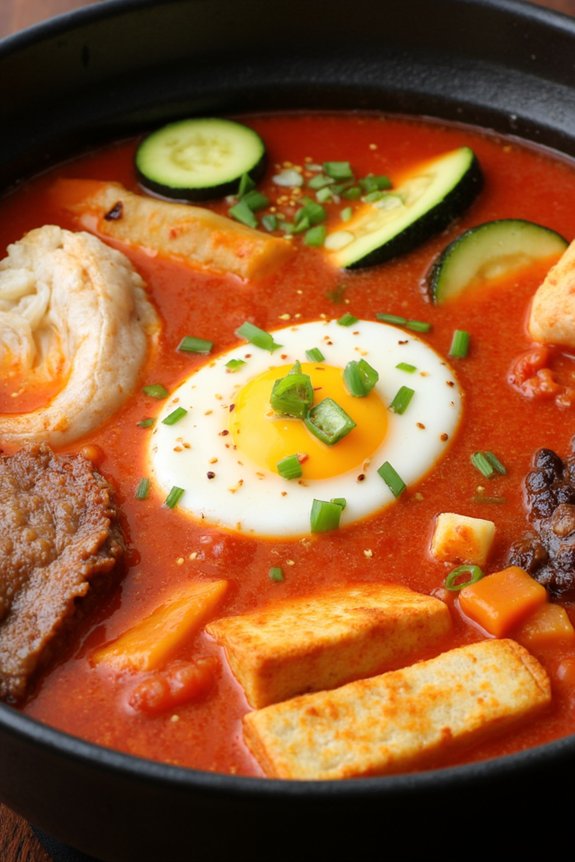
Spicy Soft Tofu Soup, known as Sundubu-jjigae in Korean, is a comforting and delicious dish that’s perfect for family dinners. This rich and hearty stew is made with a base of flavorful broth, packed with soft tofu, vegetables, and your choice of protein, all simmered with Korean chili paste and powder for a kick of spice. Typically served boiling hot, this stew is ideal for those chilly evenings when you need something warm and satisfying.
Originating from Korea, Sundubu-jjigae has become a popular dish worldwide, loved for its versatility and depth of flavor. Whether you enjoy it with seafood, beef, pork, or just vegetables, this dish can be easily adapted to suit your taste. It’s traditionally served with a side of steamed rice, making it a filling meal that brings the family together around the dinner table. With this recipe, you can bring the authentic taste of Korea to your home and enjoy a delightful culinary experience.
Ingredients (Serves 4-6):
- 1 tablespoon vegetable oil
- 1 small onion, diced
- 2 cloves garlic, minced
- 1 zucchini, sliced
- 1 cup kimchi, chopped
- 1 tablespoon gochugaru (Korean chili powder)
- 1 tablespoon gochujang (Korean chili paste)
- 2 cups chicken or vegetable broth
- 2 tablespoons soy sauce
- 1 teaspoon sesame oil
- 1 pound soft tofu, cut into large chunks
- 1/2 pound seafood (shrimp, clams, or mussels) or sliced beef/pork
- 2 green onions, sliced
- 1 egg
- Salt and pepper to taste
Instructions:
- Prepare the Base: Heat the vegetable oil in a large pot over medium heat. Add the diced onion and minced garlic, stirring occasionally until the onion becomes soft and translucent, about 3-4 minutes.
- Add Vegetables and Flavor: Stir in the sliced zucchini and chopped kimchi, cooking for another 2-3 minutes. Add the gochugaru and gochujang, mixing well to guarantee the spices coat the vegetables evenly.
- Simmer the Broth: Pour in the chicken or vegetable broth, soy sauce, and sesame oil. Bring the mixture to a gentle simmer, allowing the flavors to meld together for about 5 minutes.
- Incorporate the Tofu and Protein: Carefully add the soft tofu to the pot, breaking it into large chunks with your spoon. Add your choice of seafood or meat. Simmer for another 5-7 minutes, allowing the protein to cook through and the tofu to absorb the flavors.
- Finish with Garnish: Crack an egg into the center of the soup and let it poach gently in the hot liquid. Sprinkle sliced green onions over the top. Taste and adjust seasoning with salt and pepper as needed.
- Serve: Ladle the hot sundubu-jjigae into bowls and serve immediately with steamed rice on the side.
Extra Tips:
When cooking Sundubu-jjigae, be mindful of the balance of flavors. The spice level can be adjusted by varying the amount of gochugaru and gochujang, so feel free to add more or less depending on your preference.
For a deeper umami flavor, consider adding a dash of fish sauce or anchovy paste. If you prefer a thicker stew, let it simmer longer to reduce the broth. Always use soft or silken tofu to achieve the authentic creamy texture that defines this dish. Enjoy experimenting with different proteins and vegetables to make this recipe uniquely yours!
